
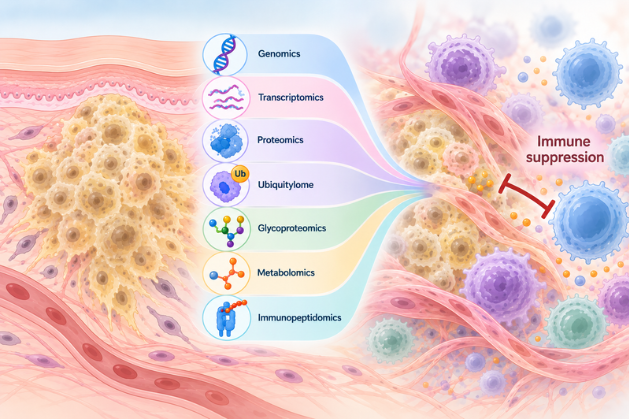
Two studies link tumor protein patterns to immunotherapy outcomes, suggesting potential tests and targets for treatment
Together with collaborators in the National Cancer Institute’s Clinical Proteomic Tumor Analysis Consortium, we identified protein patterns in skin melanoma linked to treatment response after combination immunotherapy. A companion study provides a comprehensive molecular map of melanoma, including protein fragments displayed for immune recognition and chemical modifications of proteins associated with immune suppression and patient survival. Together, the findings could help researchers develop protein-based tests for future melanoma trials and identify proteins to investigate as potential treatment targets.
The studies, accepted for coordinated publication in Clinical Cancer Research and Cancer Discovery, both journals of the American Association for Cancer Research, examine melanoma from complementary angles. Their aim was to investigate why some patients with melanoma benefit from immunotherapy, while others do not benefit or develop a resistance to the therapy.
The Clinical Cancer Research study links tumor protein patterns to patient outcomes after immunotherapy, including combination treatment with two drugs that block separate signals that can restrain the immune response. The Cancer Discovery study maps melanoma’s molecular features, including protein fragments displayed for immune cells to recognize and chemical changes associated with immune suppression and patient survival.
Please see below for details: