Principal Investigator
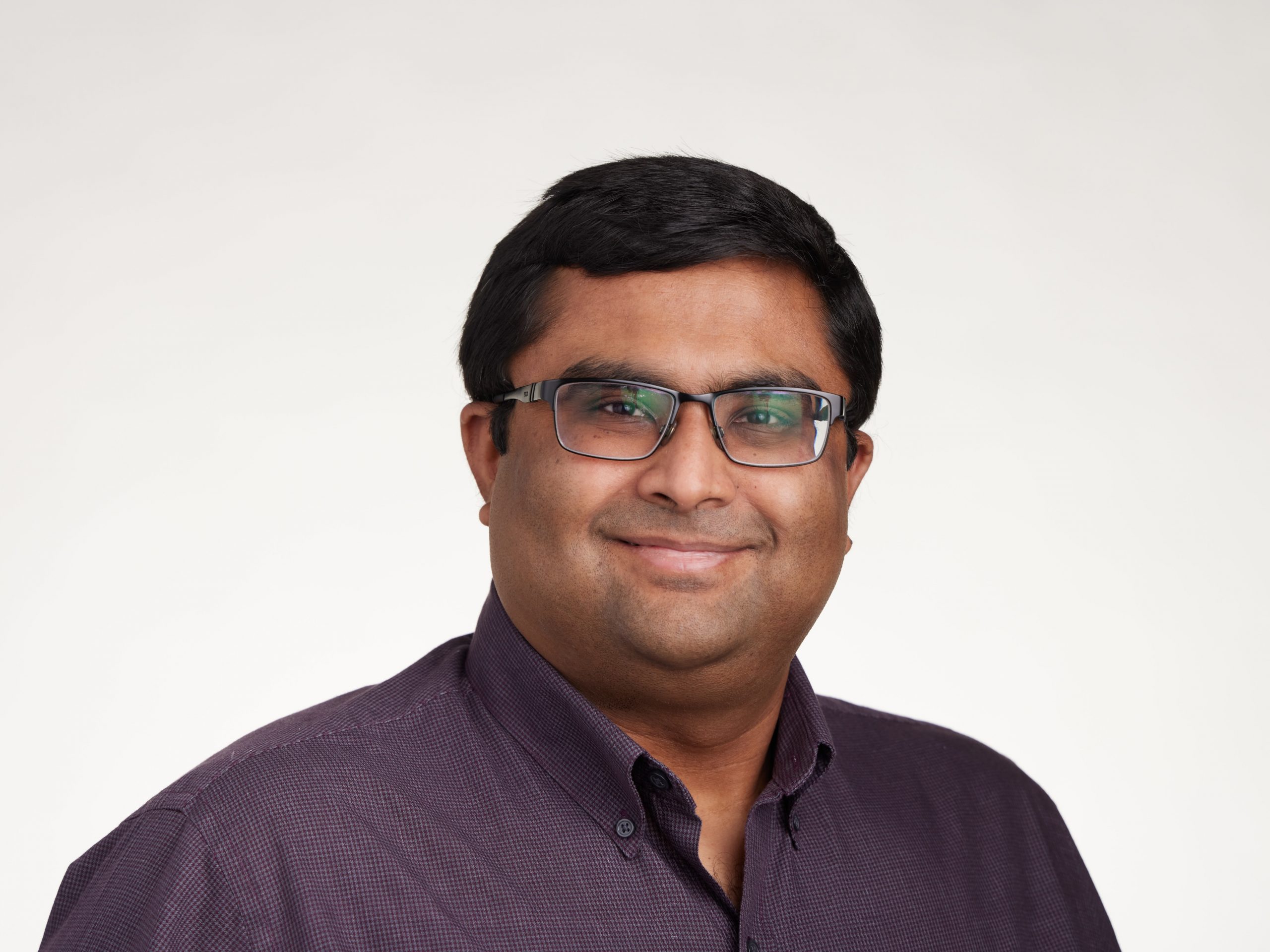
Vikas Pejaver
Dr. Vikas Pejaver is an Assistant Professor at the Institute for Genomic Health and the Department of Genetics and Genomic Sciences in the Icahn School of Medicine at Mount Sinai. His research focuses on the development and application of machine learning methods to relate genetic variation to molecular function and disease phenotypes, with a particular emphasis on rare variants and diseases. His work utilizes a broad array of machine learning techniques on genomic, protein and electronic health record data sets. Dr. Pejaver has a Bachelor’s degree in Biotechnology from the People’s Education Society (PES) Institute of Technology (now PES University) in Bengaluru, India. After that, he received his Master’s degree in Bioinformatics and doctoral degree in Informatics from the School of Informatics and Computing (now School of Informatics, Computing and Engineering) at Indiana University, Bloomington. Dr. Pejaver then completed his postdoctoral training at the Department of Biomedical Informatics and Medical Education (BIME) and the eScience Institute at the University of Washington (UW), where he received the Moore/Sloan and Washington Research Foundation Innovation in Data Science Postdoctoral Fellowship. He also received a K99/R00 Pathway to Independence Award from the National Library of Medicine at the National Institutes of Health. At UW, he was also awarded the Fred Wolf Mentorship Award for his active roles in training and mentoring students in BIME.
Email: vikas.pejaver@mssm.edu
Research Scientists and Staff
Tim Bergquist
As a Data Scientist at the Institute for Genomic Health in the Icahn School of Medicine at Mount Sinai, Tim focuses on using computational methods to interpret genetic variants for their role in disease. In his former role as a research scientist-biomedical informaticist at Sage Bionetworks, his work focused on planning and administering community challenges, a type of crowd-sourcing competition that engages the broader scientific community to solve open research questions. He led the benchmarking and evaluation of machine learning models in the EHR DREAM Challenge: Patient Mortality, the Pediatric COVID-19 Data Challenge, and the Long COVID Computational Challenge. Tim received his PhD in Biomedical Informatics from the University of Washington in 2021 and a Bachelors of Science in Biochemistry from Grove City College in 2016. During the evenings and weekends he can be found in the mountains of the Pacific Northwest hiking and camping.
Email: timothy.bergquist@mssm.edu
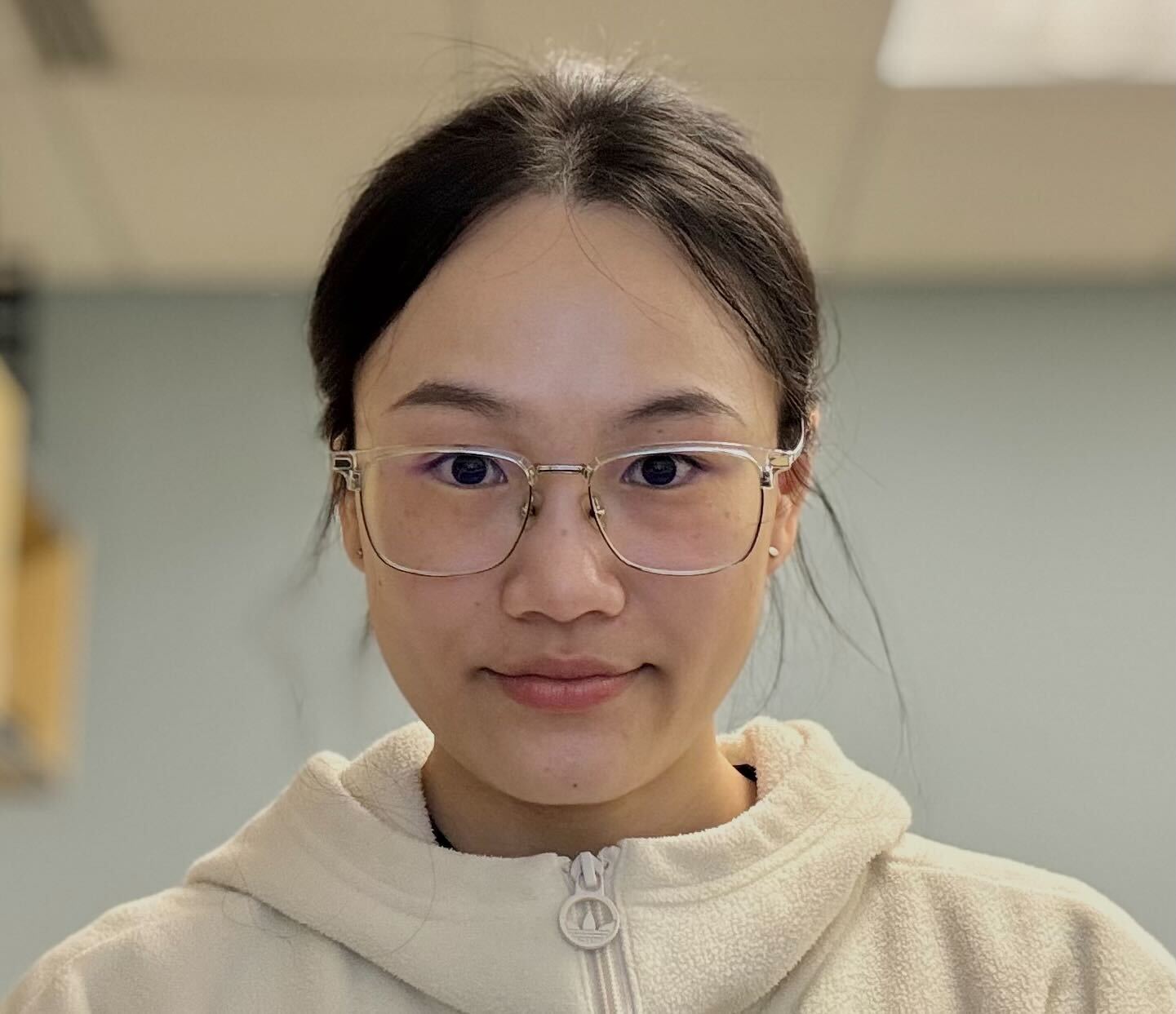
Yile Chen
Yile Chen is a Bioinformatician at the Institute for Genomic Health in the Icahn School of Medicine at Mount Sinai. Her research focuses on developing computational methods for clinical variant interpretation, including gene-specific calibration of variant effect predictors. Yile received her PhD in Biomedical and Health Informatics from the University of Washington. As a trainee in the Impact of Genomic Variation on Function (IGVF) Consortium, she developed computational approaches for prioritizing genes for MAVE experiments and calibrating variant effect predictor scores, enabling more consistent and interpretable application of computational evidence in clinical variant interpretation.
Email: yile.chen@mssm.edu
Post Doctoral Fellows
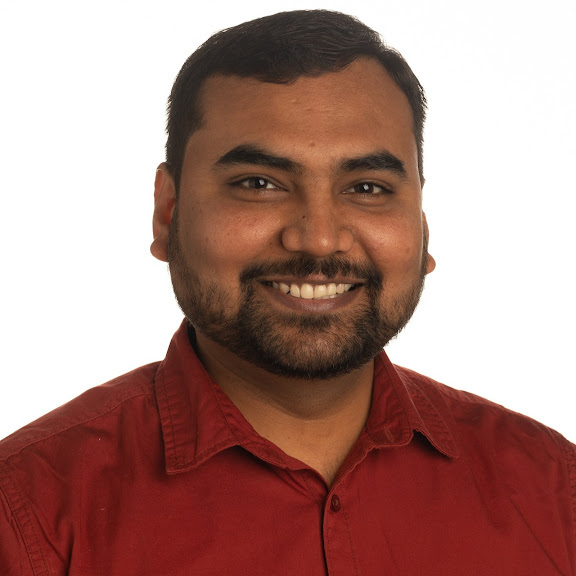
Mohammad Ghouse Syed
Dr. Mohammad Ghouse Syed joined the Pejaver Lab within the Institute for Genomic Health at the Icahn School of Medicine at Mount Sinai as a Postdoctoral Fellow in 2023. He currently works on analyzing electronic health records (EHRs), particularly clinical notes, for the identification of rare genetic diseases using natural language processing and machine learning. Prior to joining the lab, he worked as a Scientist at Tata Consultancy Services (TCS) Research, India. He completed his B.Tech. in Electronics and Communication Engineering from JNTUH, India; his M.Tech. in Computer Applications from IIT Delhi, India; and his Ph.D. from the University of Dundee, Scotland, UK, with a fully funded scholarship from NIHR, UK. He completed his Ph.D. under the guidance of Prof. Emanuele Trucco, and his thesis was titled “Investigating the Retina as a Source of Biomarkers for Systemic Conditions Using Artificial Intelligence”. Dr. Syed’s expertise lies in computer vision, image processing, natural language processing, deep learning, and machine learning, and his research interests center on utilizing deep learning and machine learning algorithms to analyze health data.
Email: mohammadghouse.syed@mssm.edu
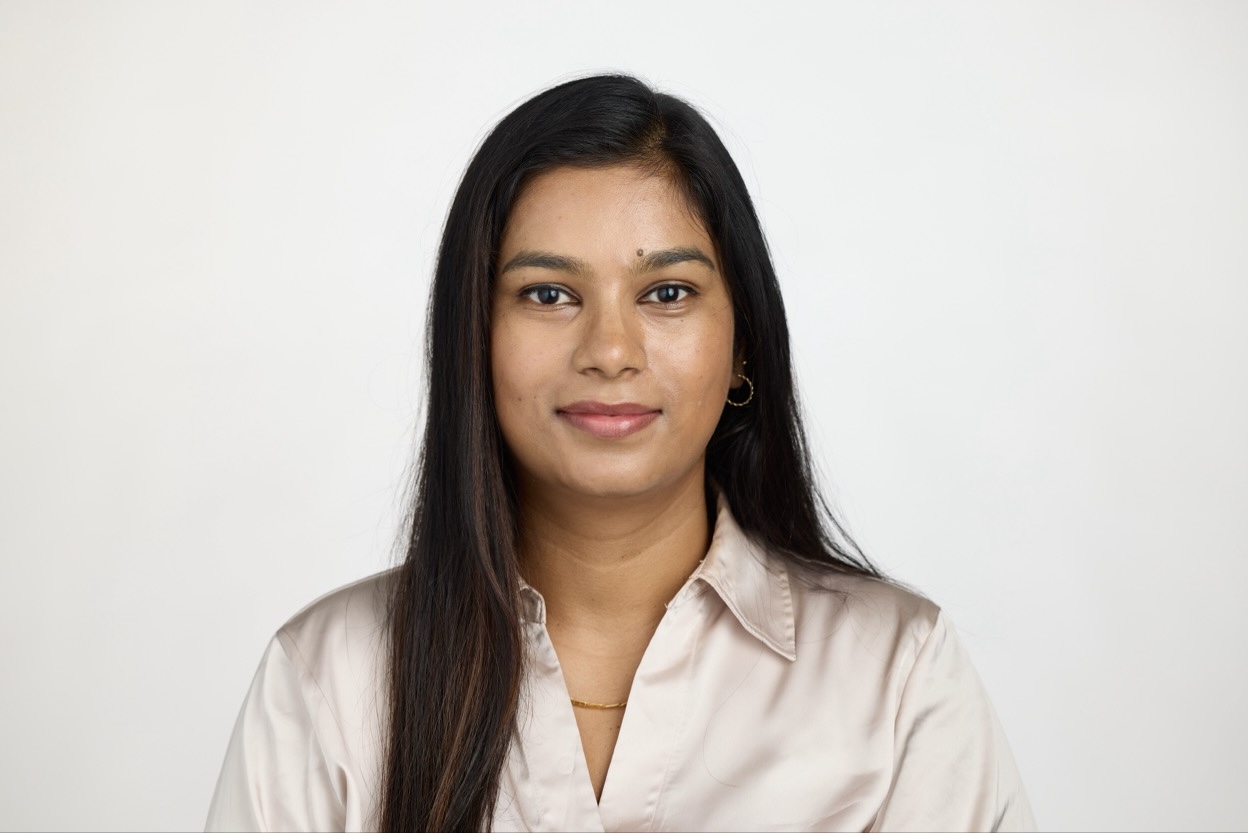
Deepa Sarkar
Deepa is working as a Postdoctoral Fellow, with a research focus on developing machine learning approaches to link genetic variation with molecular function and disease using patient-derived datasets. Her work aims to identify meaningful patterns within electronic medical records and translate them into effective, cost-efficient strategies that enhance the quality of patient care. Prior to joining the Icahn School of Medicine at Mount Sinai, she earned her PhD in Biomedical Engineering from Chung Yuan Christian University in Taiwan.
Email: Deepa.Sarkar@mountsinai.org
Graduate Students
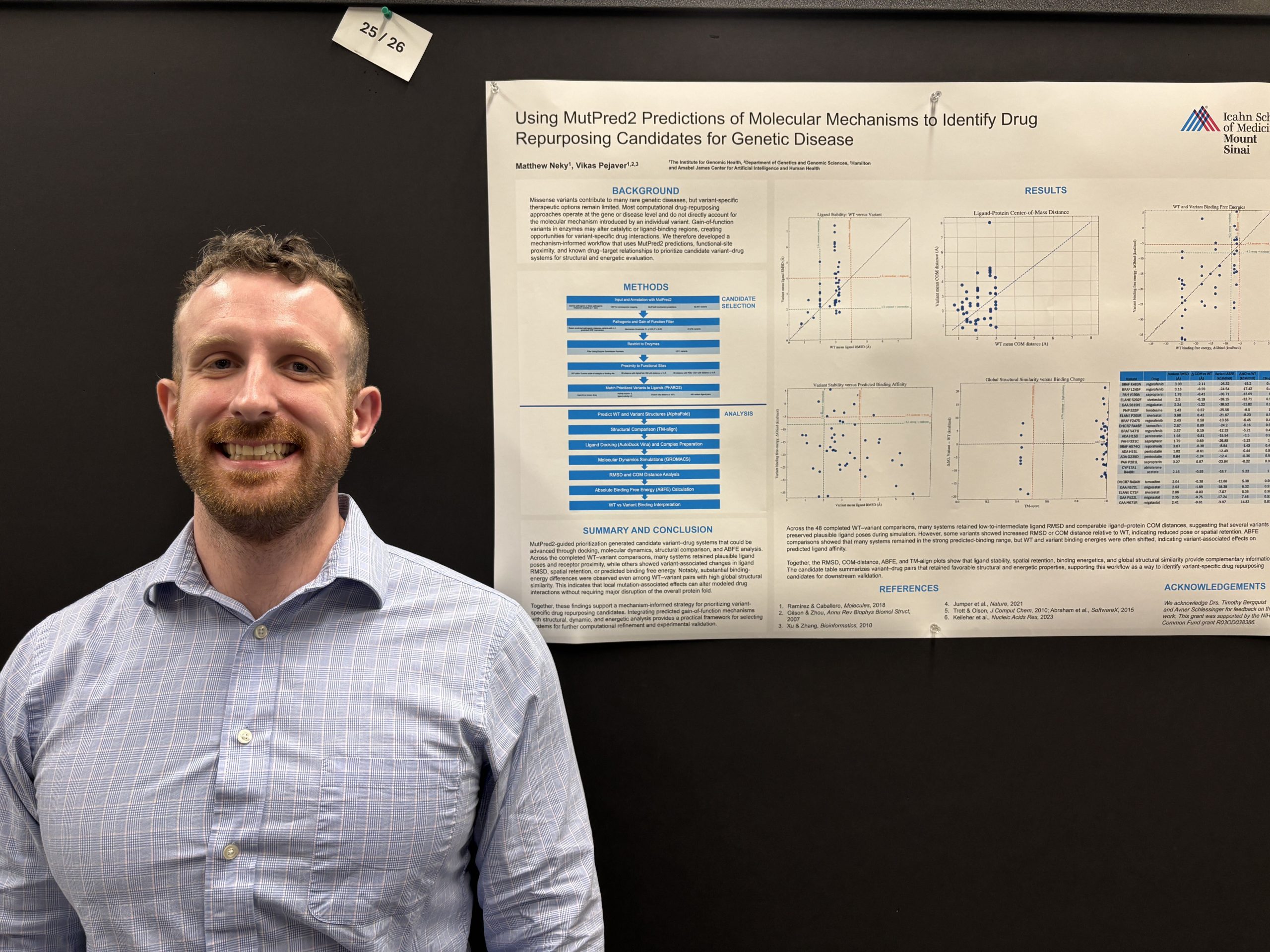
Matthew Neky
Matthew is a PhD student in the Pejaver Lab. The research areas he’s interested in are genomics, bioinformatics, pharmacology, biostatistics, and translational medicine. His research focuses on using computational methods to address pharmacology-related challenges for patients with genetic diseases. Matt received his Bachelor’s degree in Biochemistry and Master’s Degree in Biostatistics (Statistical Genetics) both from Columbia University. He previously did wet lab biophysics research, computational biophysics research, and translational cancer research. Outside of the lab, he enjoys books, movies, and going on walks with his dog, Potato.
Email: matthew.neky@mssm.edu
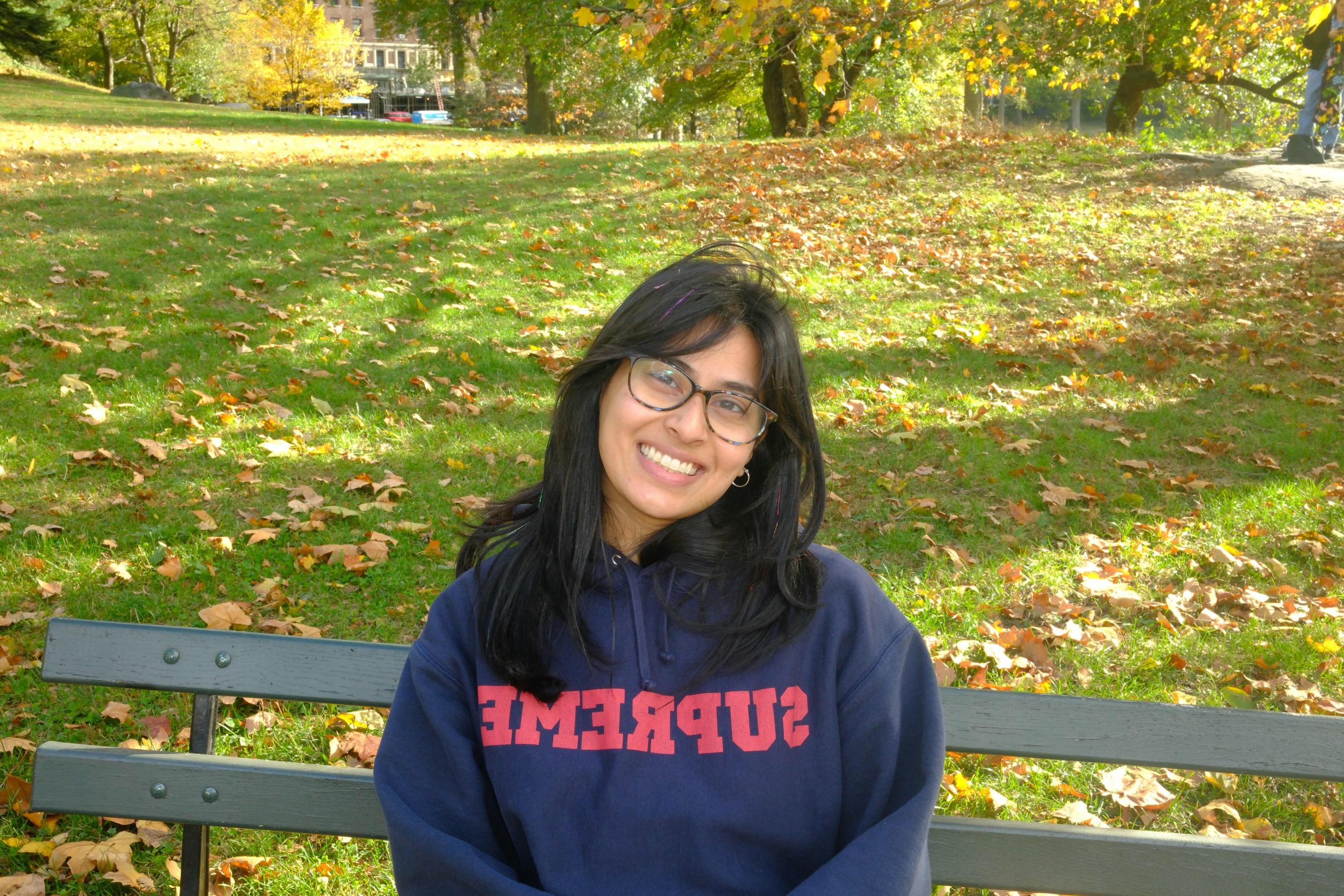
Rhea Iyer
Rhea Iyer is a Master’s student in the Pejaver Lab at the Icahn School of Medicine at Mount Sinai. Her research focuses on developing a computational benchmarking framework to systematically evaluate variant prioritization tools for rare disease diagnosis. She is particularly interested in assessing the comparative performance of tools including Exomiser and Phen2Gene across diverse disease phenotypes and variant classes. Rhea received her Bachelor’s degree in Biology from The Ohio State University, where she conducted research across multiple laboratories in immunology, neuroimmunology, and cardiac biology. Prior to joining the Pejaver Lab, she worked as a full-time Associate Researcher in Dr. Brian Brown’s laboratory at Mount Sinai, contributing to the development of IL-12–armored CAR-T cells targeting tumor-associated macrophages.
Email: rhea.iyer@mssm.edu
Alumni
| Name | Level | Role & Training Dates | Last Known Position |
|---|---|---|---|
| Briana Christian | Graduate Student | Mentor, MS Capstone Project 03/16/2022 – 06/10/2023 |
Data Analyst, The Mount Sinai Hospital |
| Tanuja Gobbur | Graduate Student | Mentor, MS Capstone Project 02/01/2023 – 06/05/2024 |
Software Engineer, Abbott Laboratories |
| Grace Kim | Graduate Student | Rotation Mentorship 10/30/2023 – 12/16/2023 |
Doctoral Student, Genetics and Genomic Sciences, ISMMS |
| Carina Pan | Summer Intern (Undergraduate) | Mentor 06/02/2023 – present |
M.D. Candidate at CUNY School of Medicine |
| Tegh Pawar | Summer Intern (High School) | Mentor 07/17/2023 – 01/31/2024 |
High School Student, Queens High School for the Sciences |
| Archit Patil | Summer Intern | Mentor 05/11/2025 – 08/18/2025 |
Undergraduate Student, Turing Scholars Honors Program, University of Texas at Austin |
| Emily Ta | Summer Intern | Mentor 05/26/2026 – 07/31/2026 |
Undergraduate Student, Barnard College, Columbia University |