
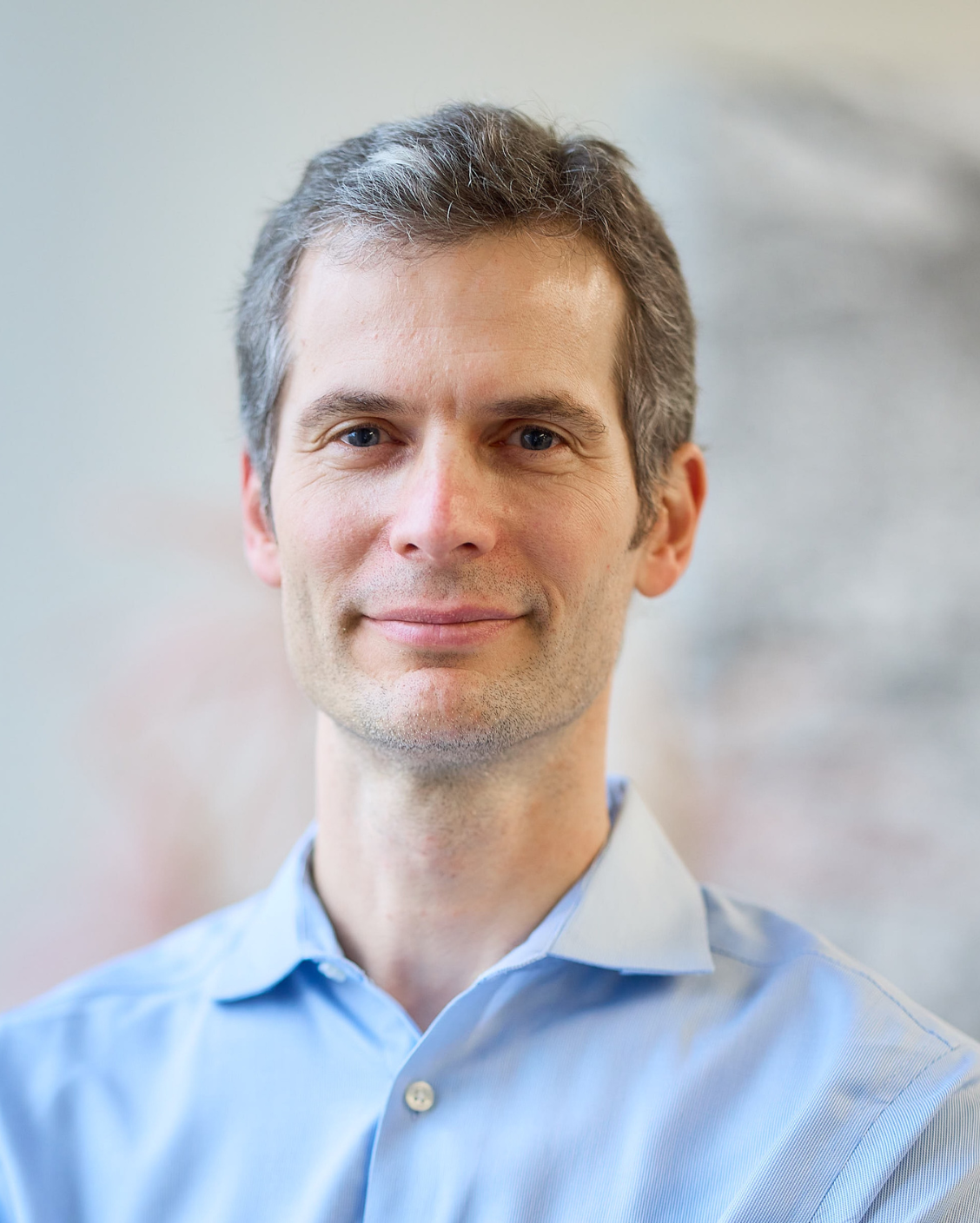
Emmanuel During, MD
Professor of Neurology
Dr. Emmanuel During is a Professor of Neurology at the Icahn School of Medicine at Mount Sinai, with appointments in the Department of Neurology, Division of Movement Disorders, and the Department of Medicine, Division of Pulmonary, Critical Care and Sleep Medicine. His clinical and research work focuses on sleep disorders associated with neurological disease and aging.
His research on REM sleep behavior disorder (RBD) aims at early detection and intervention in Parkinson’s disease, dementia with Lewy bodies, and related neurodegenerative disorders. He served on the American Academy of Sleep Medicine task force that developed clinical practice guidelines for RBD management, and has led consensus expert recommendations on RBD treatment through the International RBD Study Group (IRBDSG). Within the IRBDSG, he has led a large collaborative study of accelerometry in RBD across more than 15 sites and 12 countries.
His current work focuses on developing scalable, actionable approaches to detect RBD and early neurodegenerative risk in the general population — using AI, wearable devices, polysomnography, and video analysis of sleep.
Team Members

Giorgio Ricciardiello Mejia, Dual MS
Biomedical Engineer & Epidemiologist
Data Analyst II
Giorgio Ricciardiello Mejia holds dual master’s degrees in biomedical engineering and epidemiology, bringing expertise in AI and machine learning methods applied to population-scale detection of sleep disturbances related to neurodegeneration. He is the lab’s lead data scientist, developing and validating computational approaches to REM sleep behavior disorder (RBD) by integrating accelerometry, physiological, clinical, and behavioral data. He leads the data analysis for a global collaboration with the International RBD Study Group, drawing on wearable sensor and clinical data from over 600 participants across more than 15 countries. He has also conducted validation studies testing the transferability of predictive models across devices, including consumer smartwatches.
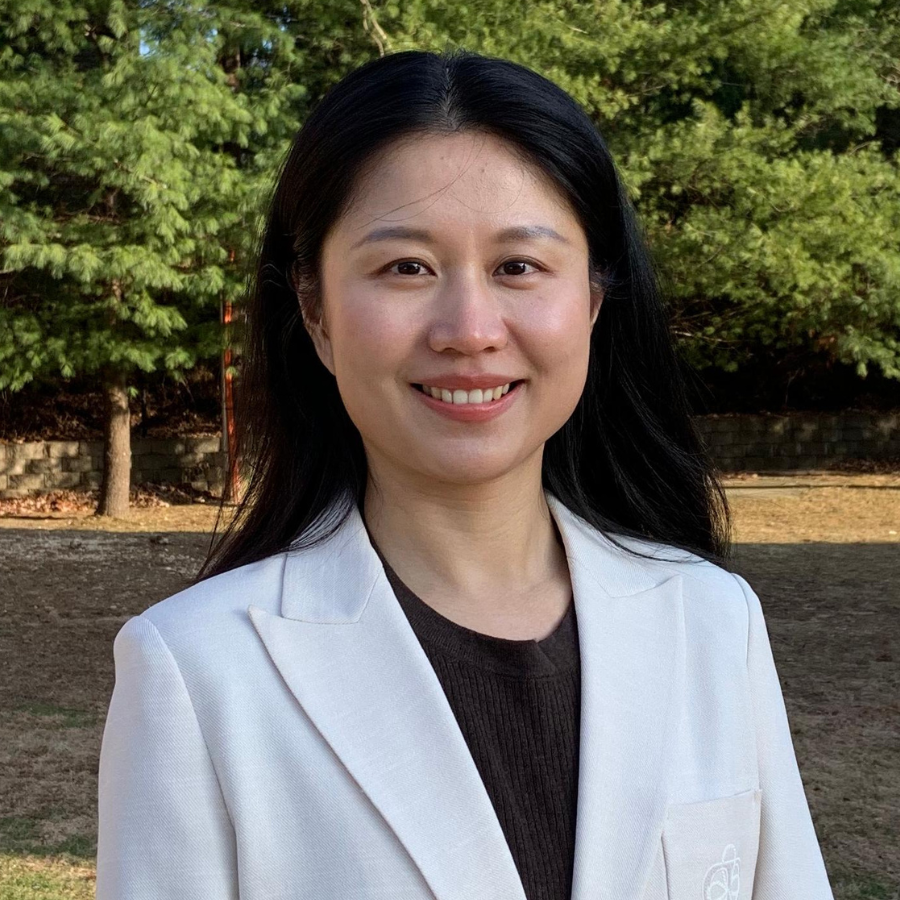
Li Zhou, MD, PhD
Postdoctoral Fellow
Dr. Li Zhou is a postdoctoral fellow bringing both clinical and computational expertise to the study of sleep disorders, particularly REM sleep behavior disorder (RBD) and obstructive sleep apnea (OSA), and their role in neurodegenerative disease. Her work applies wearable sensor and polysomnography-based approaches to improve RBD diagnosis and predict clinical outcomes. By integrating multimodal physiological and clinical data, she develops tools for earlier detection and more precise risk stratification of neurodegenerative disorders.
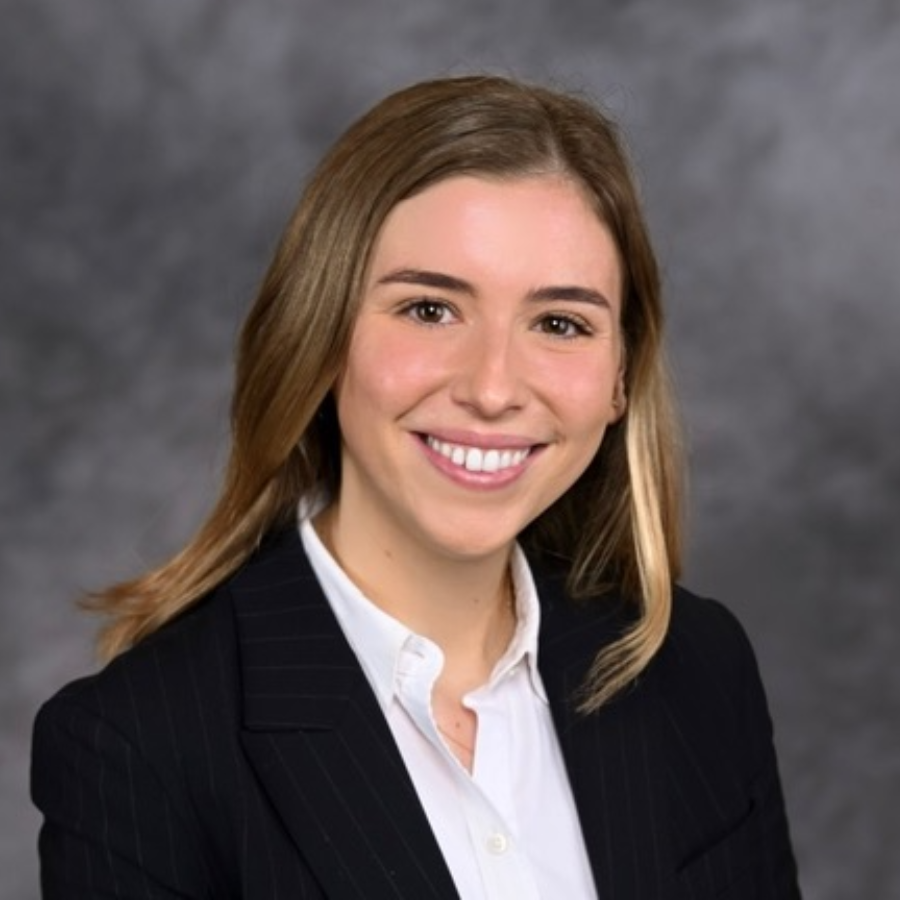
Antonia Schonwald, MD, PhD
Neurology Resident
Dr. Antonia Schonwald is a neurology resident with training spanning basic, translational, and clinical neuroscience. Her doctoral work examined neural mechanisms of learning and memory, including preclinical pharmacological studies in infantile epilepsy. In the During Lab, she applies this neuroscience foundation to clinical research at the intersection of sleep and movement disorders, leveraging wearable technology, AI, and sleep physiology to study neurological disease at scale. Her clinical interests also span sports neurology and post-stroke rehabilitation.
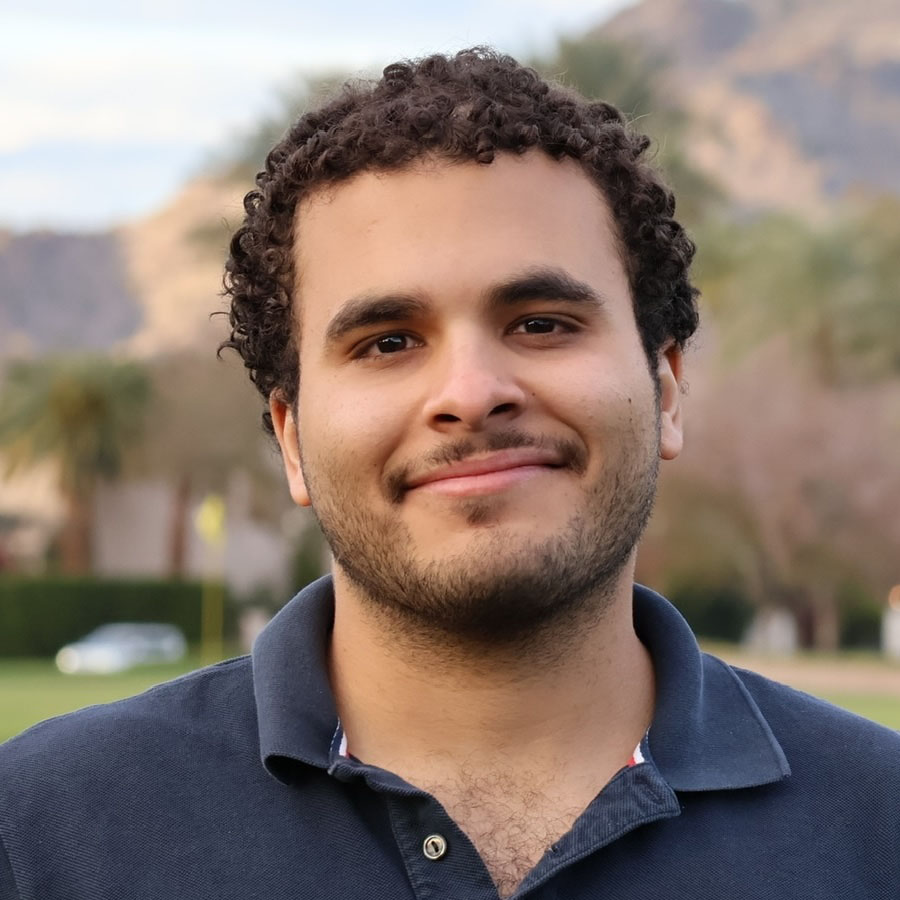
Caleb Massimi, BA
Medical Student
Caleb Massimi is a medical student at the Icahn School of Medicine at Mount Sinai, Class of 2028. In the During Lab, his research focuses on using wearable and sleep-derived data to improve early detection of RBD and neurodegenerative risk. His broader interests include digital biomarkers, neuropsychiatric and sleep disorders, and clinical tools that can make high-quality care more scalable and accessible.
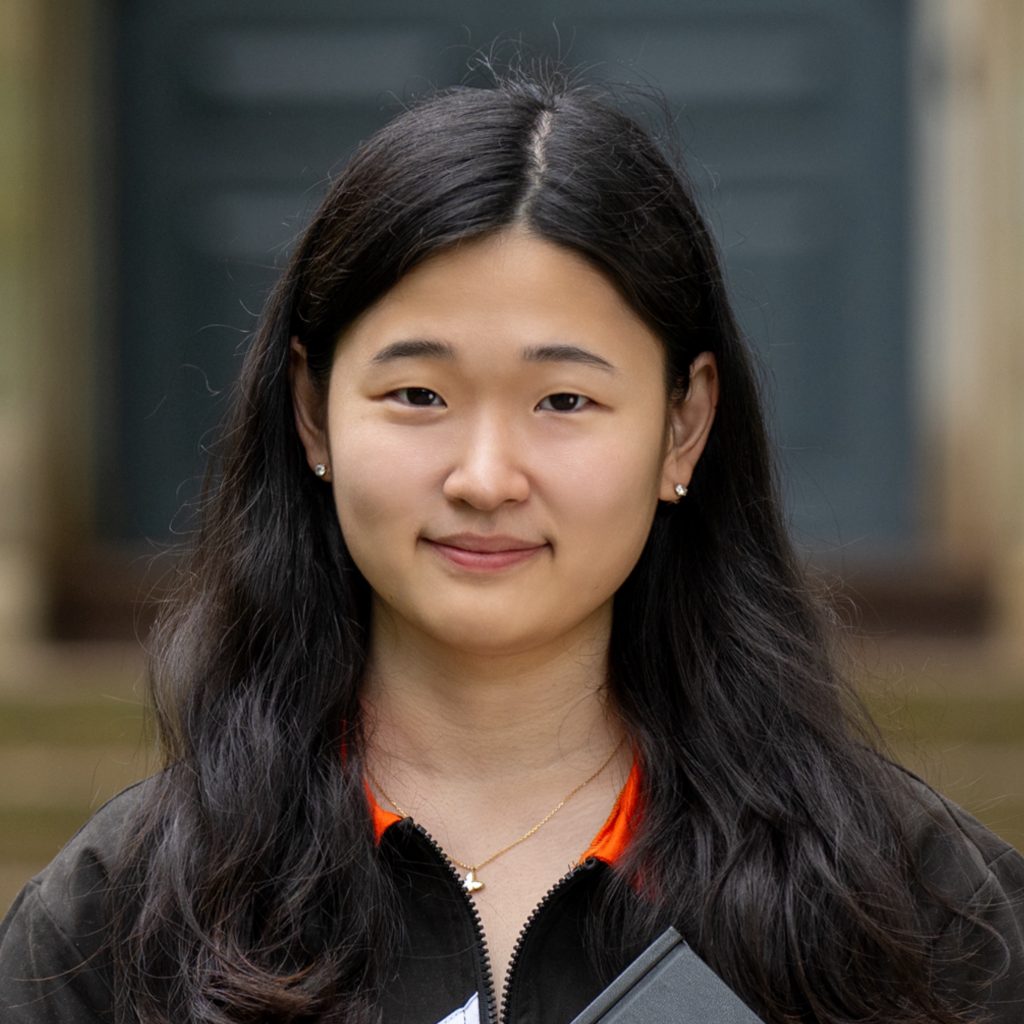
Katelyn Ryu, BA
Clinical Research Coordinator
Katelyn Ryu is the clinical research coordinator responsible for the lab’s day-to-day research operations. She oversees and conducts research visits involving wearable devices, clinical assessments, polysomnography, and other sleep-based measures, playing a central role in identifying and monitoring individuals at risk for neurodegeneration across the lab’s ongoing studies.
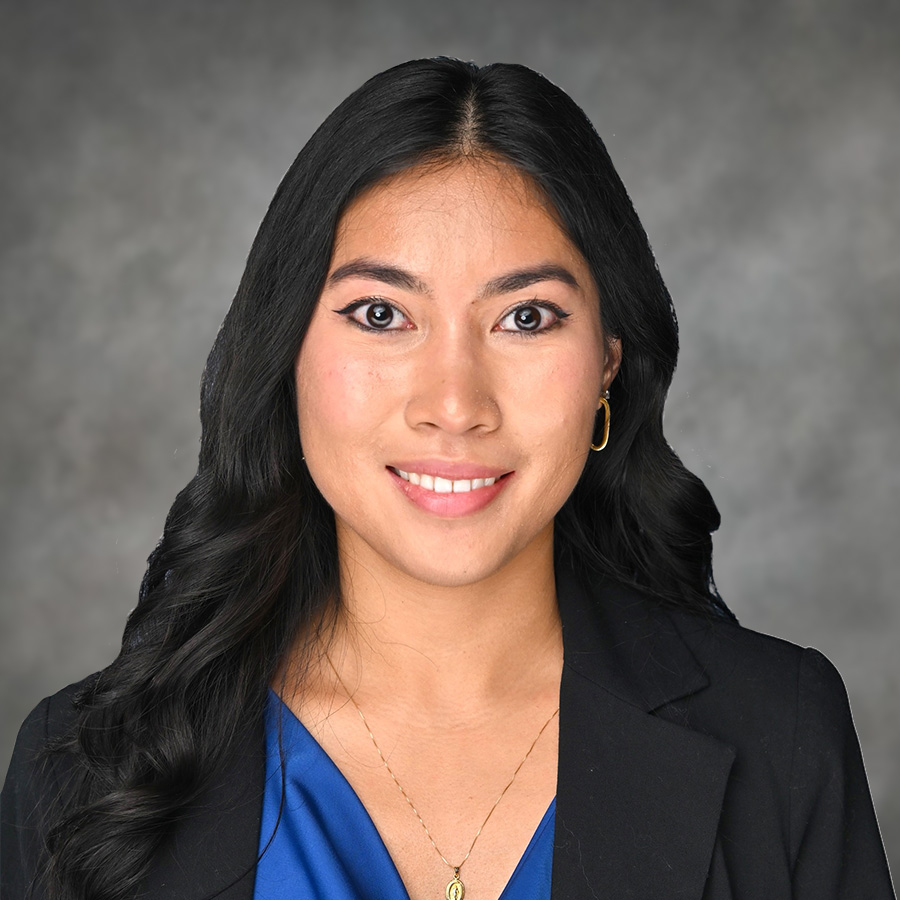
Kaitlyn Gregorio, MD
Neurology Resident
Dr. Kaitlyn Gregorio is a neurology resident at Mount Sinai West with an interest in movement disorders and sleep neurology. She is especially interested in how everyday activity data from wearable devices may help identify early signs of Parkinson’s disease and related conditions before symptoms become more noticeable. Her goal is to explore ways technology can make neurologic diagnosis earlier, easier, and more accessible for patients.
External Collaborators
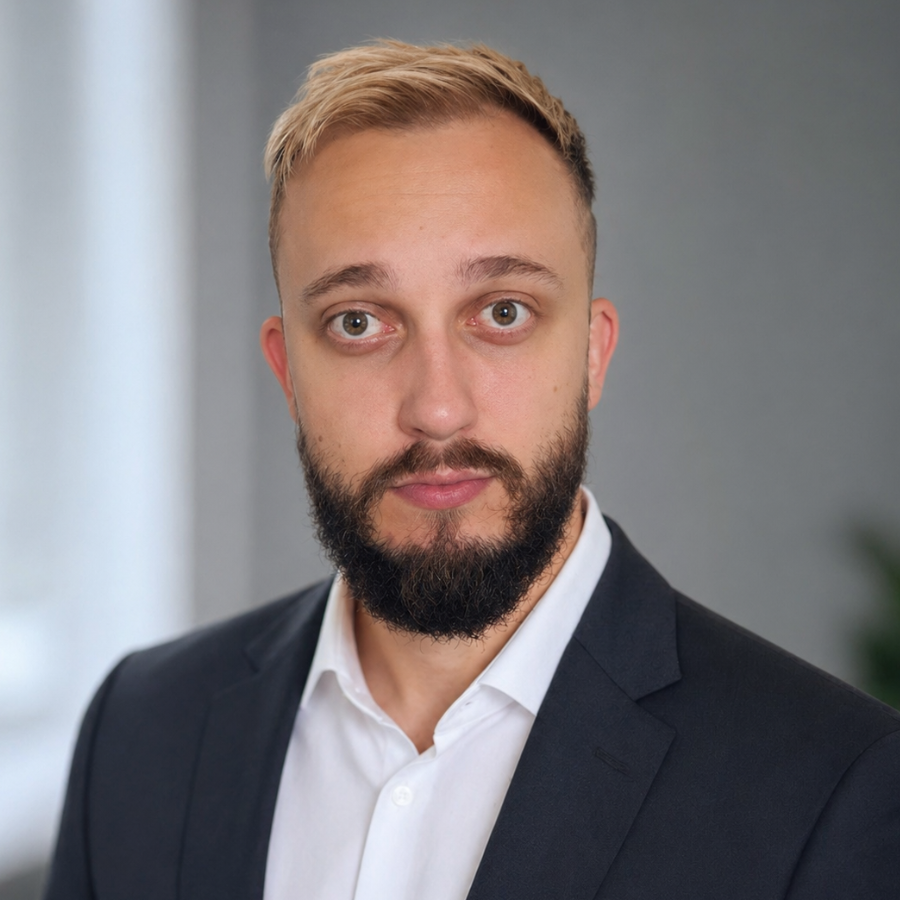
Andreas Brink-Kjaer, PhD
Assistant Professor, Technical University of Denmark
Dr. Andreas Brink-Kjaer is an Assistant Professor at the Technical University of Denmark and an internationally recognized expert in machine learning and AI methods applied to sleep physiology. With Dr. During, he pioneered in 2022 the use of wearable sensors for the detection and characterization of RBD — foundational work that underpins much of the field’s current direction. His research spans deep learning and self-supervised representation learning applied to polysomnography and wearable sensor data, with applications in aging, neurodegenerative disease, and cardiometabolic risk prediction. Dr. Brink-Kjaer is a continuously active collaborator in the During Lab, contributing his signal processing and AI expertise across virtually all of the lab’s projects.
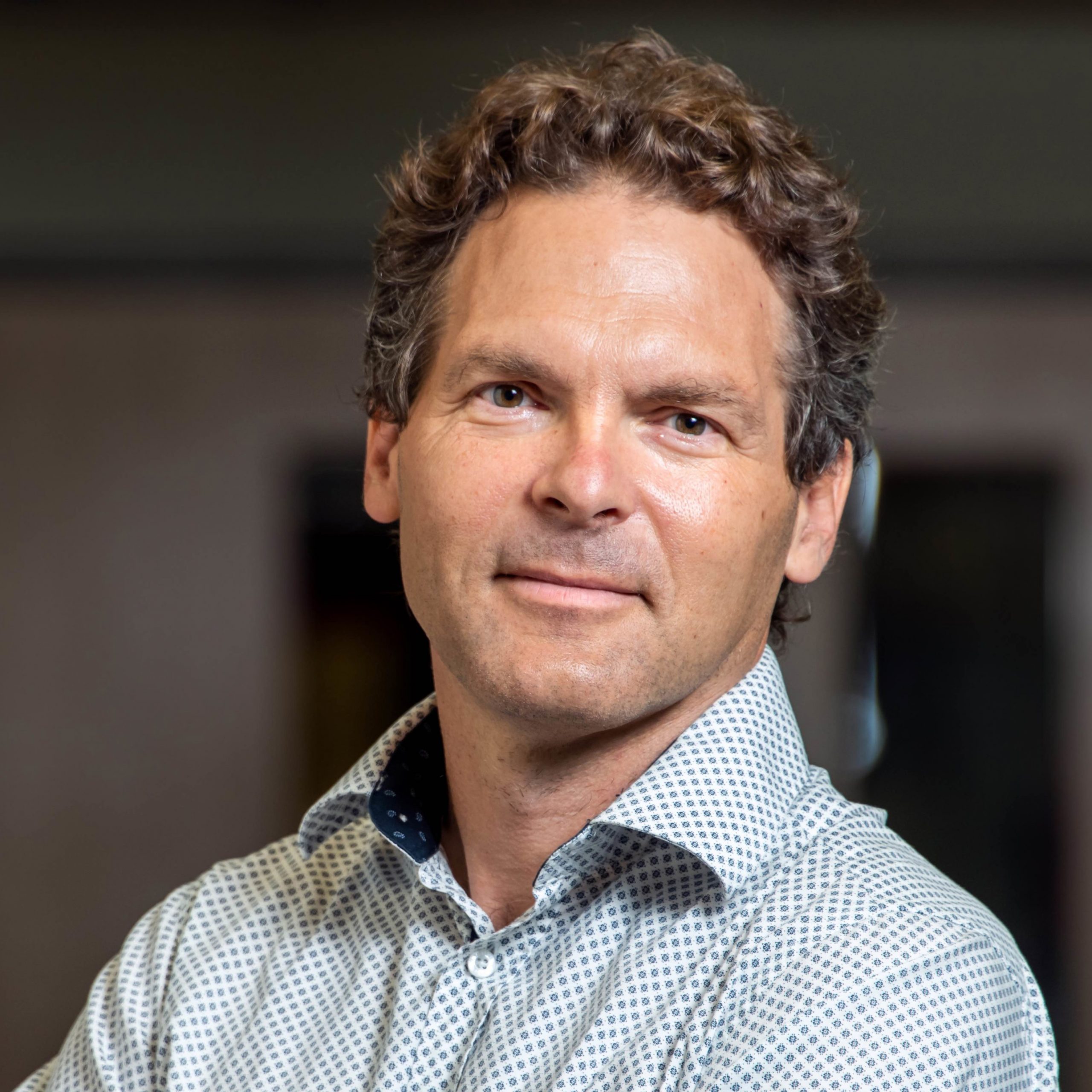
Ronald B Postuma, MD
Professor, McGill University
Dr. Postuma is a Professor of Neurology at McGill University and a clinical neurologist and movement disorders specialist whose research focuses primarily on the non-motor aspects of Parkinson’s disease. His main areas of interest include early detection of Parkinson’s disease, the diagnosis and treatment of sleep disorders including RBD, diagnostic criteria for Parkinson’s disease, and clinical trials in the early stages of the disease. His work and scientific output over the last two decades have been central to establishing RBD as an early marker of Parkinson’s disease and other synucleinopathies.
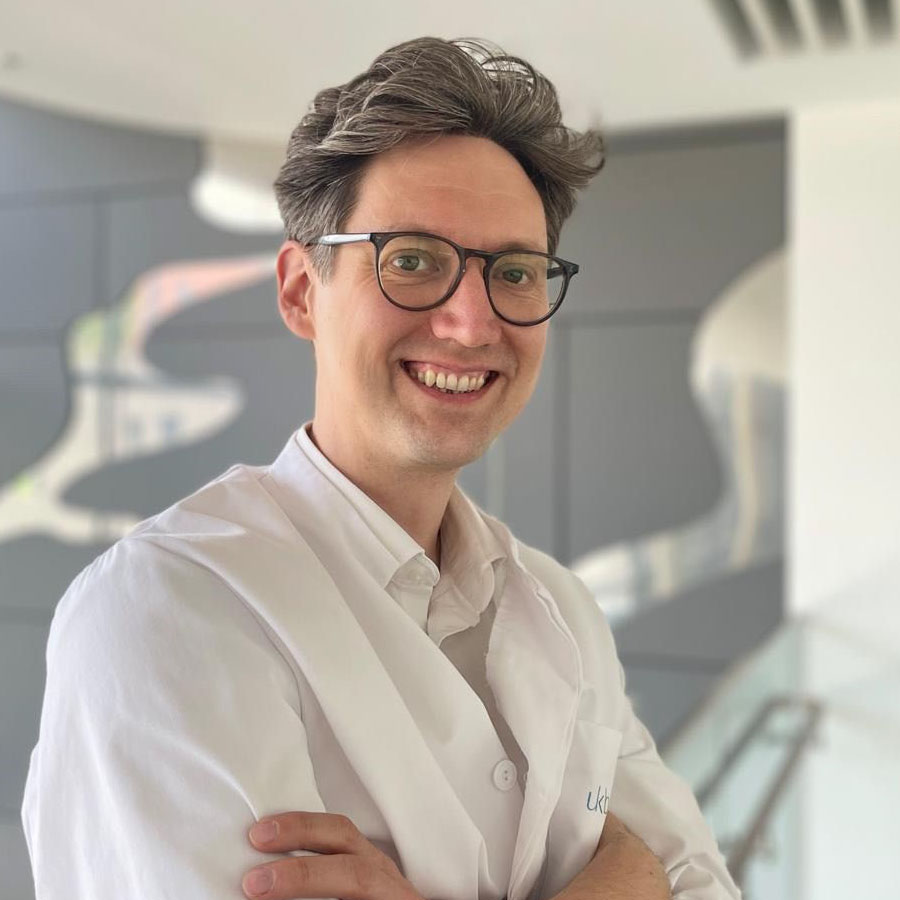
Michael Sommerauer, MD
Associate Professor, University of Bonn
Dr. Michael Sommerauer is a clinician-scientist and neurologist at the University Hospital Bonn. His research focuses on the early detection and prevention of Parkinson’s disease, particularly in individuals with RBD. He integrates clinical phenotyping, neuroimaging, biomarkers, and AI-assisted digital assessments to identify subtle disease-related changes before clinical diagnosis, with the goal of developing scalable tools for earlier diagnosis, risk stratification, and ultimately, prevention-oriented care. One important focus in his lab has been population-based screening pathways combining clinical questionnaires and machine-learning-based accelerometry readouts for detecting RBD
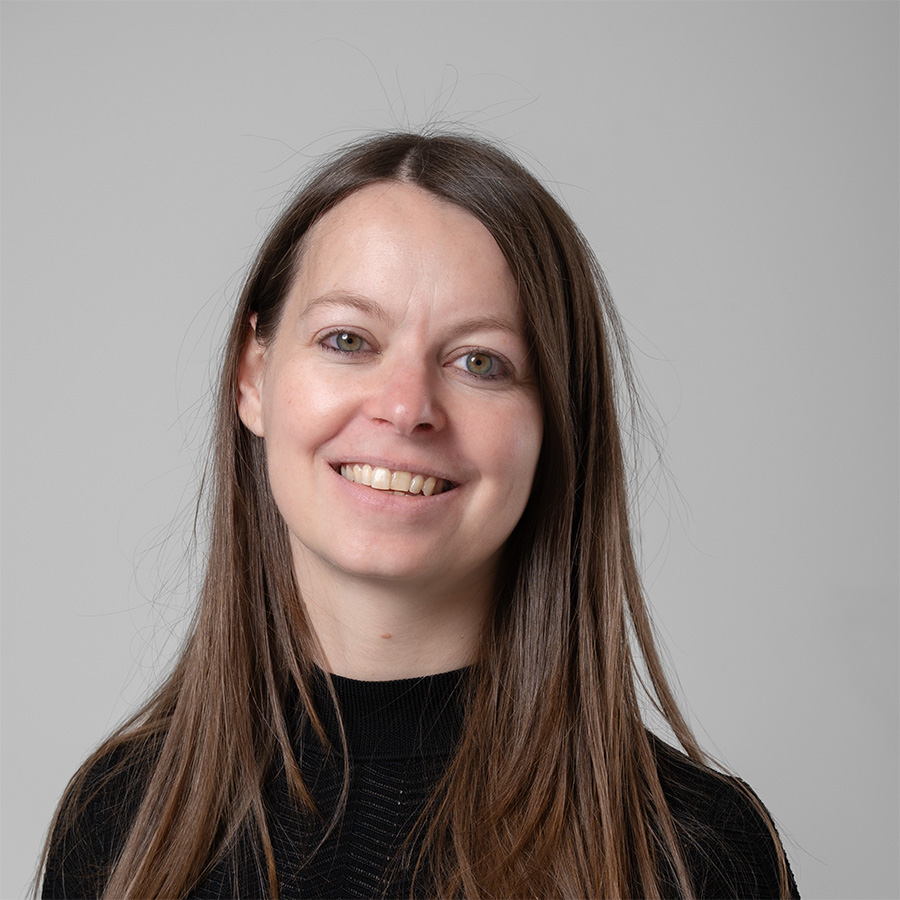
Ambra Stefani, MD, PhD
Associate Director of the Center for Sleep Medicine, Medical University of Innsbruck
Dr. Ambra Stefani is a senior neurologist and neuroscientist, and Deputy Director of the Center for Sleep Medicine at the Medical University of Innsbruck, Austria. Her main research interests are restless legs syndrome (clinical, laboratory, and imaging-based characterization), isolated RBD (clinical, video-polysomnographic and biomarker characterization), and the link between sleep and neurodegeneration. She has a broad background in neurology and neurophysiology, with specific training expertise in sleep medicine, and 13-year research experience in sleep science. She collaborates with the lab on video-polysomnographic characterization of RBD and co-leads with Dr. During the IRBDSG global collaborative study of accelerometry in RBD.
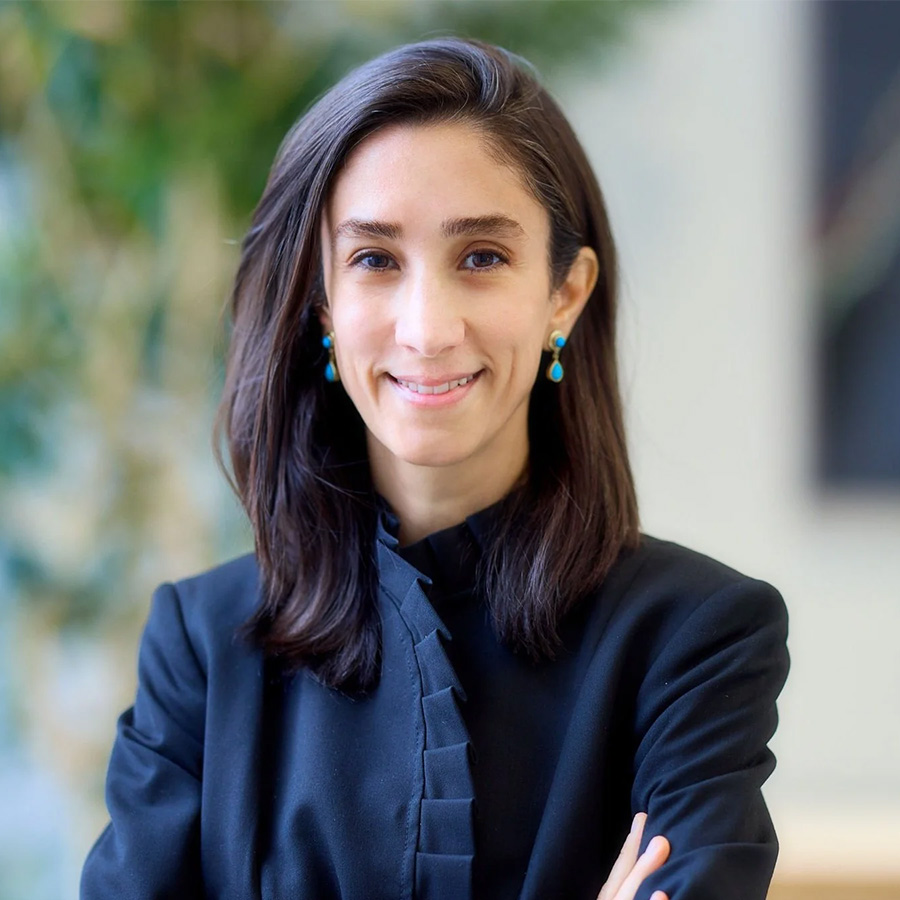
Fanny Elahi, MD, PhD
Associate Professor, Icahn School of Medicine at Mount Sinai
Dr. Fanny Elahi is a physician-scientist and Associate Professor at the Icahn School of Medicine at Mount Sinai, spanning Neurology, Neuroscience, Pathology, and AI and Human Health. She directs Fluid Biomarker Research at the Deane Center for Cognitive Health and co-directs the Genetics and Genomics Core at the Alzheimer’s Disease Research Center. Her expertise in blood biomarker development, vascular-neurodegenerative mechanisms, and translational drug discovery directly strengthens the program’s mission to detect and intercept neurodegeneration before clinical onset. She breaks down silos and pushes the boundaries of methods to advance therapeutic discoveries for dementia — and she is looking forward to the day she will administer disease-modifying treatments to her patients and stop dementia in its tracks.
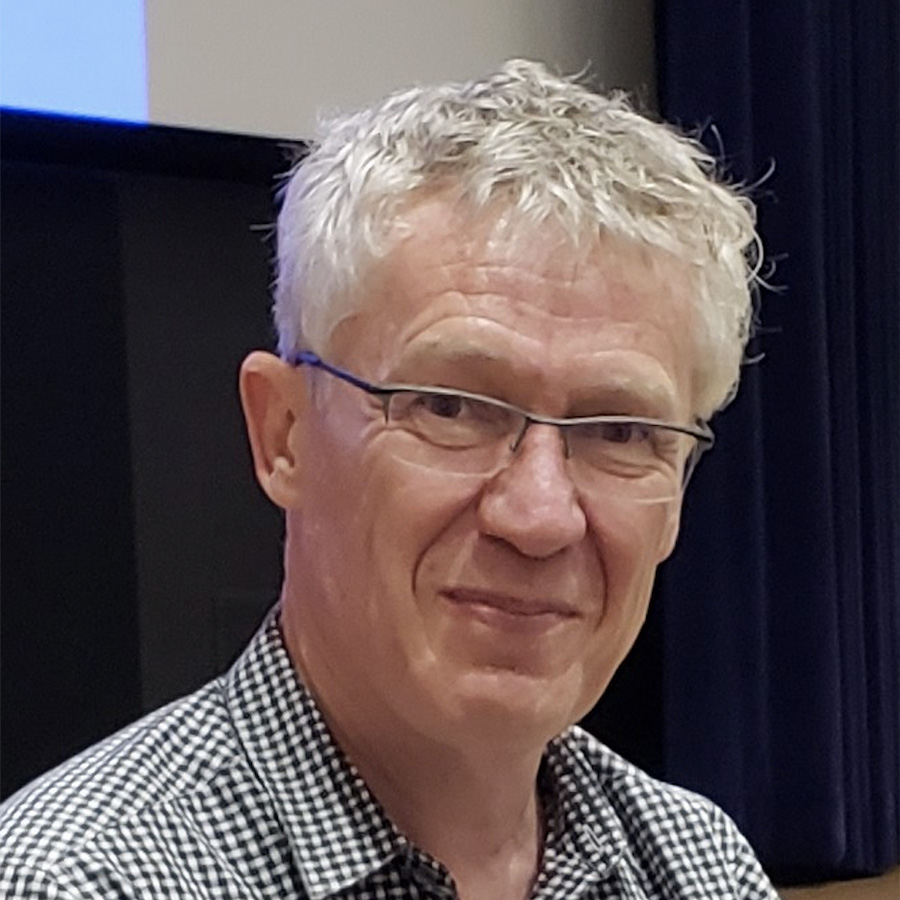
Emmanuel Mignot, MD, PhD
Craig Reynolds Professor of Sleep Medicine, Stanford University
Dr. Mignot is Craig Reynolds Professor of Sleep Medicine at Stanford University. He discovered that human narcolepsy is caused by the autoimmune loss of ~70,000 hypothalamic neurons secreting the wake-promoting peptide hypocretin/orexin. He identified HLA-DQB1*06:02 and T-Cell receptor genes as major susceptibility genes across ethnic groups, which act together to promote a highly selective T cell mediated autoimmune process triggered by influenza infection. Dr. Mignot has received numerous awards including the 2023 Breakthrough Prize. He is a member of the National Academies of Sciences and Medicine. He works on many aspects of sleep research and on unravelling the etiologies of various autoimmune diseases affecting the brain. His approaches are strongly analytic, and include genetics, proteomics, statistics, and deep learning.