
Our Mission
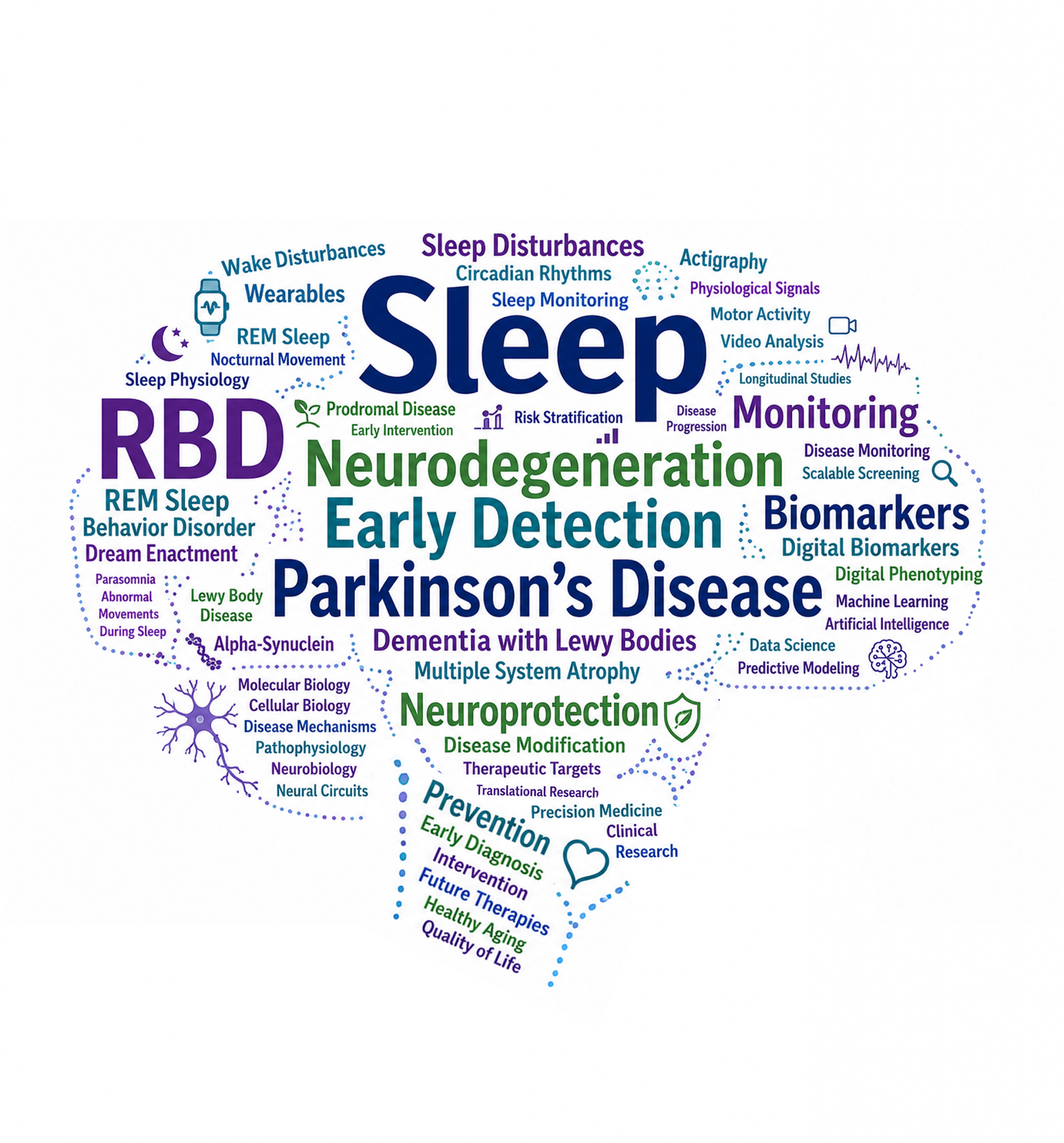
Sleep and wake disturbances can mark the earliest detectable stages of neurodegeneration — years before clinical diagnosis. Our lab studies these signatures in the context of REM sleep behavior disorder (RBD), a parasomnia characterized by dream enactment behavior and abnormal movements during sleep, and among the most potent early indicators of synucleinopathy, including Parkinson’s disease, dementia with Lewy bodies, and multiple system atrophy.
Our central goal is to advance detection and monitoring to the prodromal stage of synucleinopathy, when neuroprotective and disease-modifying therapies are most likely to be effective. A longer-term aim is to bridge digital phenotyping with the molecular and cellular biology of synucleinopathy — connecting behavioral and physiological signatures of disease to the underlying mechanisms that drive them.
Our Approach
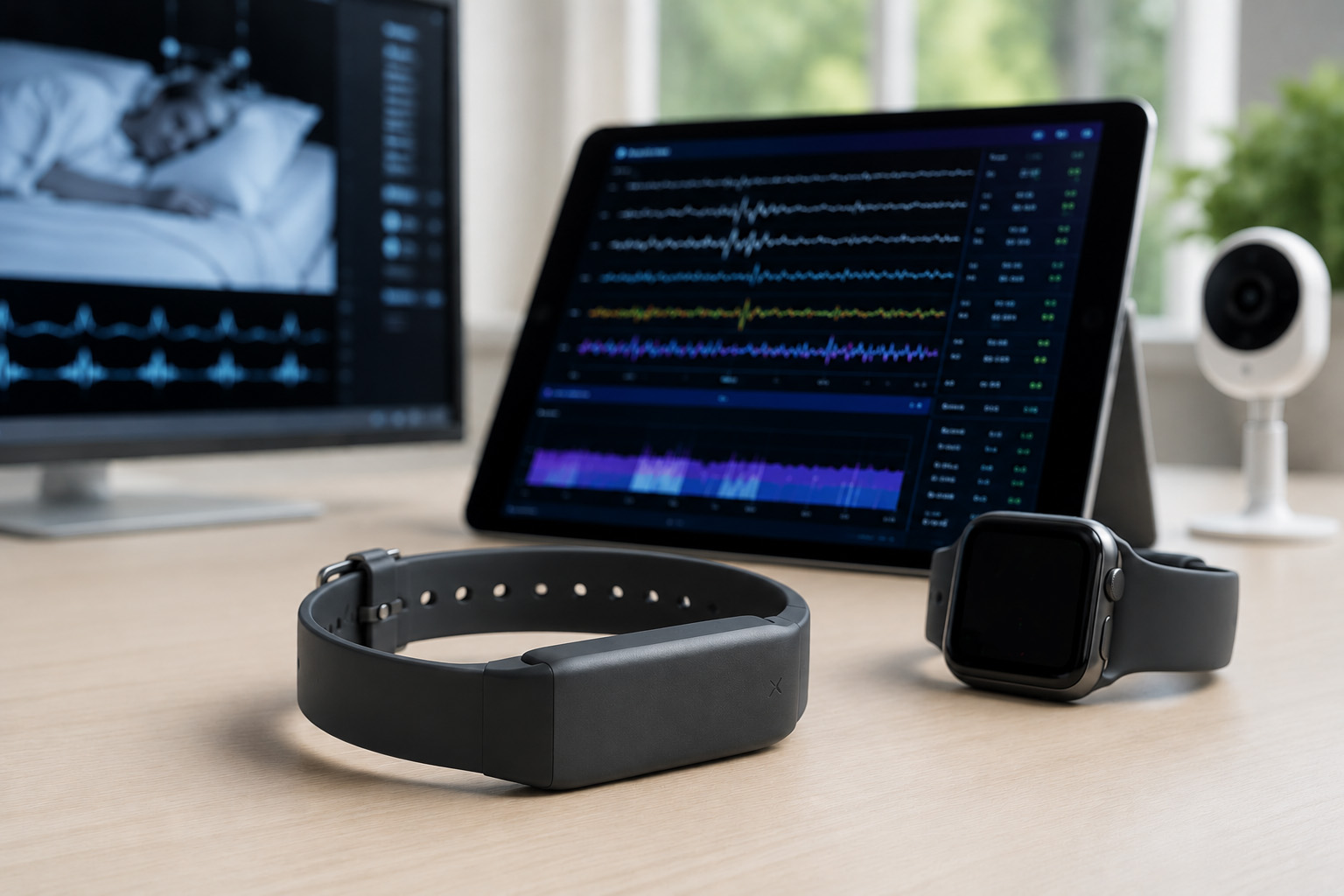
We integrate clinical data, sleep neurophysiology, computer vision, wearables, and machine learning to identify the earliest measurable biomarkers of synucleinopathy and model phenotypic progression. Our work bridges high-resolution in-laboratory data — including sleep video, polysomnography — with scalable passive monitoring using research accelerometers, smartwatches, and remote testing platforms. By harmonizing large international datasets across these modalities, we develop low-burden tools for neurodegenerative risk stratification and monitoring change across the disease continuum at clinical and population scale.
Active projects include automated computer-vision analysis of RBD motor behavior, free-living movement characterization with wrist-worn devices, and prediction models for conversion to overt synucleinopathy. Together, these efforts aim to enable earlier access to symptomatic care, support the enrichment of trial-ready prodromal cohorts, and help select candidates for neuroprotective interventions.
Publication Highlights
Ambulatory Detection of Isolated Rapid-Eye-Movement Sleep Behavior Disorder Combining Actigraphy and Questionnaire — Movement Disorders, 2022
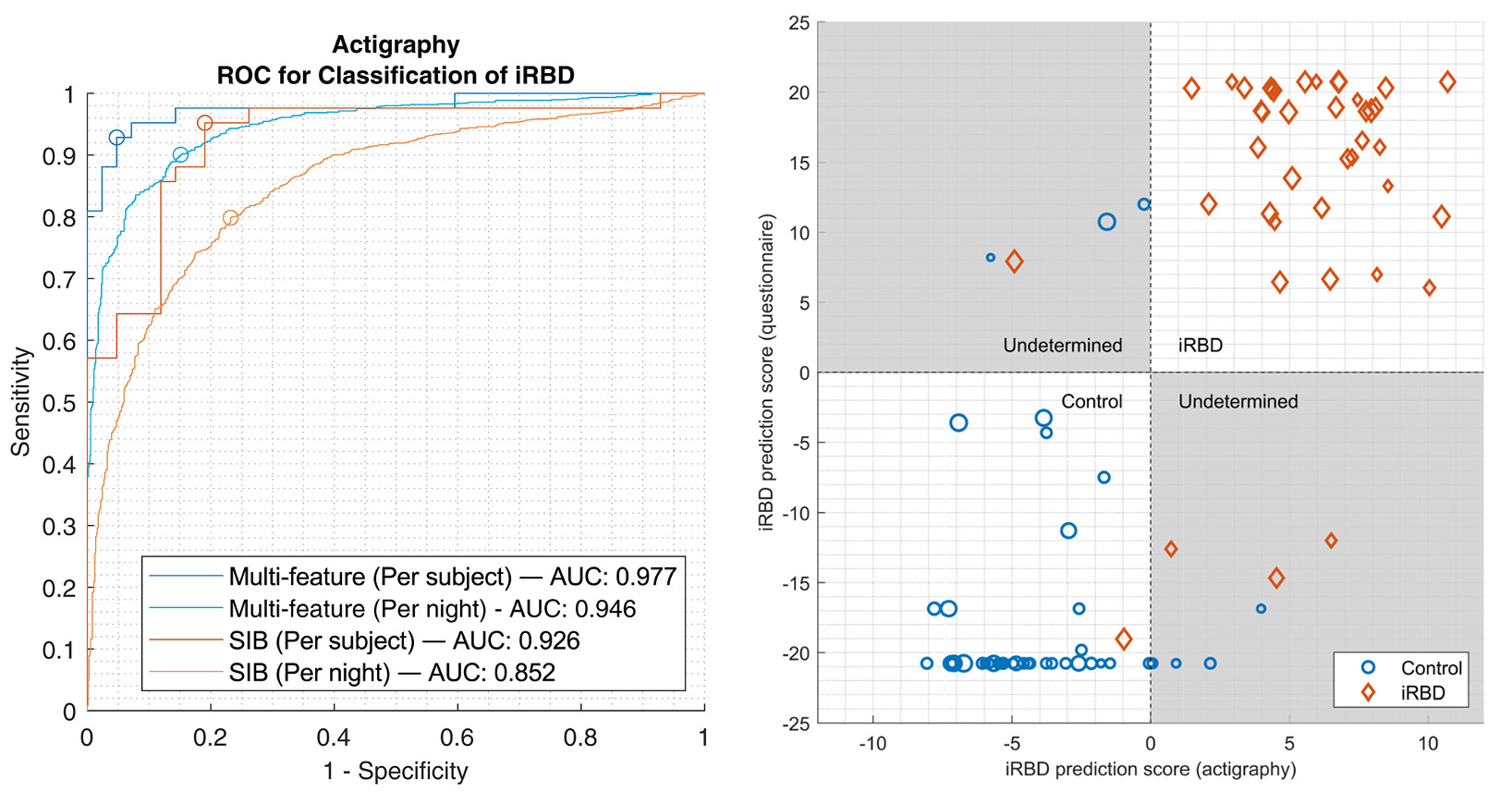
This study investigated a fully remote procedure for detecting isolated REM sleep behavior disorder (iRBD) using high-frequency wrist actigraphy and a nine-item questionnaire assessing RBD symptoms and related prodromal features. In a cohort including 42 iRBD patients, 21 patients with other sleep disorders, and 21 community controls, the actigraphy-based machine learning classifier achieved 95.2% sensitivity and 90.9% precision. Combining actigraphy with questionnaire results further improved performance, reaching 100% specificity and precision with 88.1% sensitivity.
These findings suggest that wearable-based actigraphy, when paired with questionnaire, may provide a cost-effective and scalable approach for diagnosing and screening iRBD.
Actigraphy-based Detection of Isolated REM Sleep Behavior Disorder: Multicenter Validation Across Devices and Populations — npj Digital Medicine, 2025
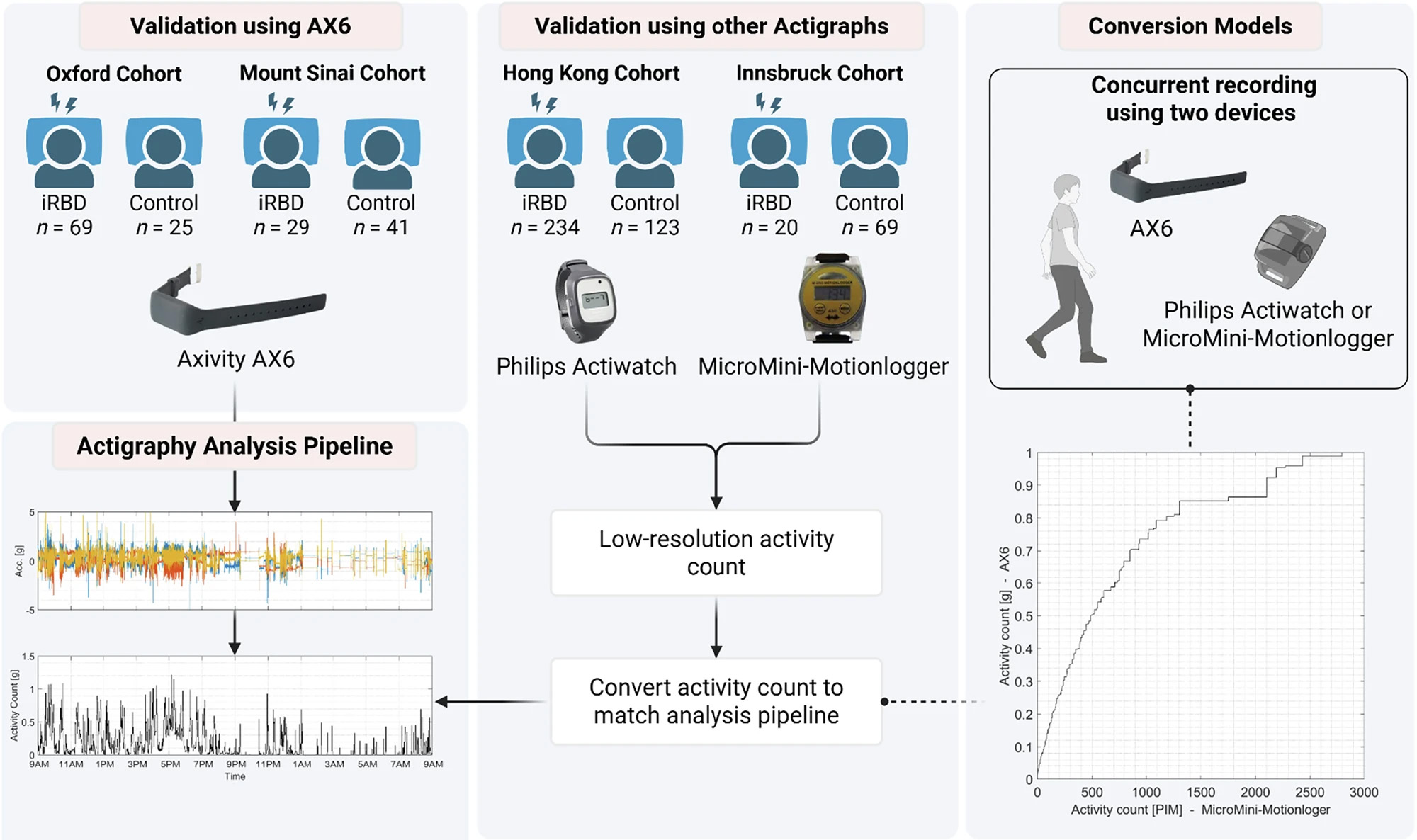
This multicenter study evaluated whether wearable actigraphy could identify idiopathic REM sleep behavior disorder (iRBD) across different devices and populations. Using data from 610 participants across four international centers, researchers found that machine learning models based on sleep-related actigraphy features generalized well across both high- and low-resolution wearable devices.
In addition to the actigraphy analysis, four synucleinopathy prodromes—RBD symptoms, hyposmia, constipation, orthostatic hypotension—were tested in a two-stage screening approach. These findings show that the original actigraphy-based detection model of iRBD using sleep features but not RAR features generalizes well across independent cohorts and devices.
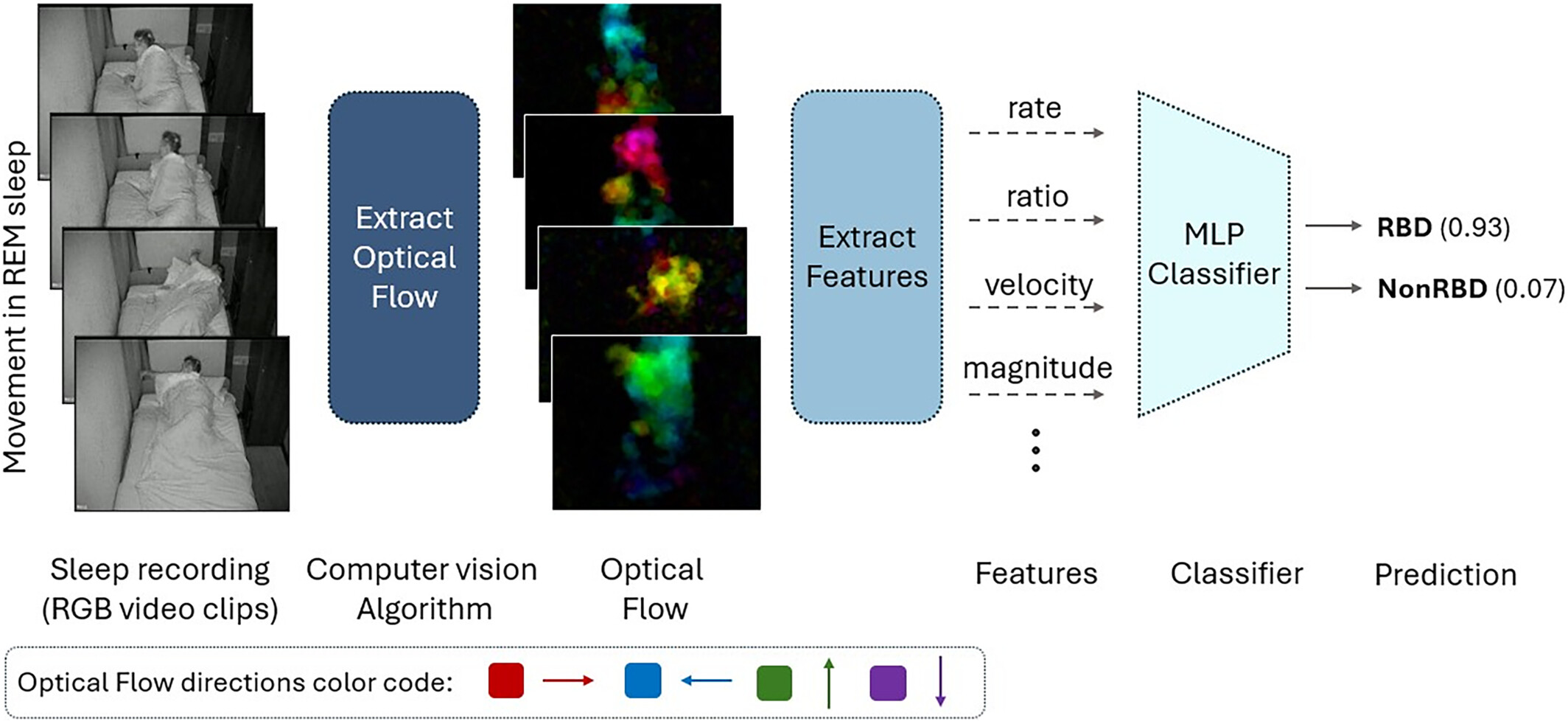
Automated Detection of Isolated REM Sleep Behavior Disorder Using Computer Vision — Annals of Neurology, 2025
This study investigated whether automated video analysis using a standard 2D infrared camera could help detect isolated REM sleep behavior disorder (iRBD) during overnight sleep studies. Using computer vision techniques to analyze movement patterns during REM sleep in 172 video polysomnography recordings, researchers found that patients with iRBD showed more frequent short movements and altered periods of immobility compared to controls. The model achieved up to 91.9% accuracy in identifying iRBD and was able to correctly classify 7 out of 11 patients without noticeable movements.
This work improves prior art by using a 2D camera routinely used in sleep laboratories and improving performance by adding only 3 features. This approach could be implemented in clinical sleep laboratories to facilitate the diagnosis of iRBD.
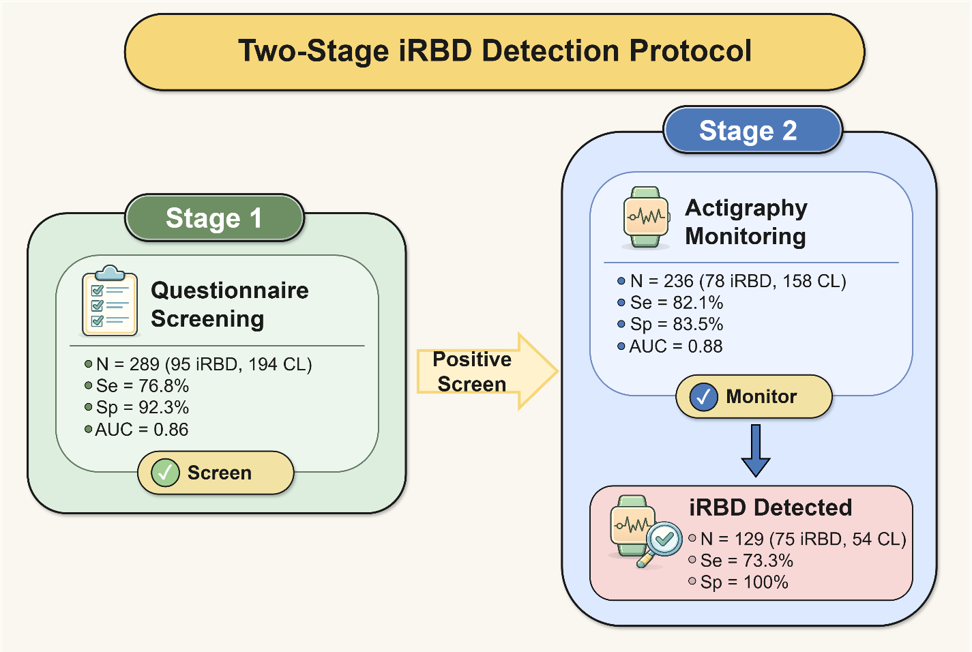
A Two-Stage Questionnaire and Actigraphy Screening for Isolated REM Sleep Behavior Disorder in a Multicenter Cohort — Annals of Clinical & Translational Neurology, 2026
This study evaluated a two-stage screening strategy combining brief questionnaires on REM sleep behavior disorder (RBD) symptoms and other prodromal features with home wrist actigraphy across multiple case-control cohorts. The combined protocol—questionnaire screening followed by actigraphy—achieved 68% sensitivity and 100% specificity using the dream-enactment question alone, and 73% sensitivity and 100% specificity using a four-item questionnaire.
These findings highlight the potential of combining wearable devices with simple symptom screening to develop low-cost, scalable tools for identifying individuals with RBD.
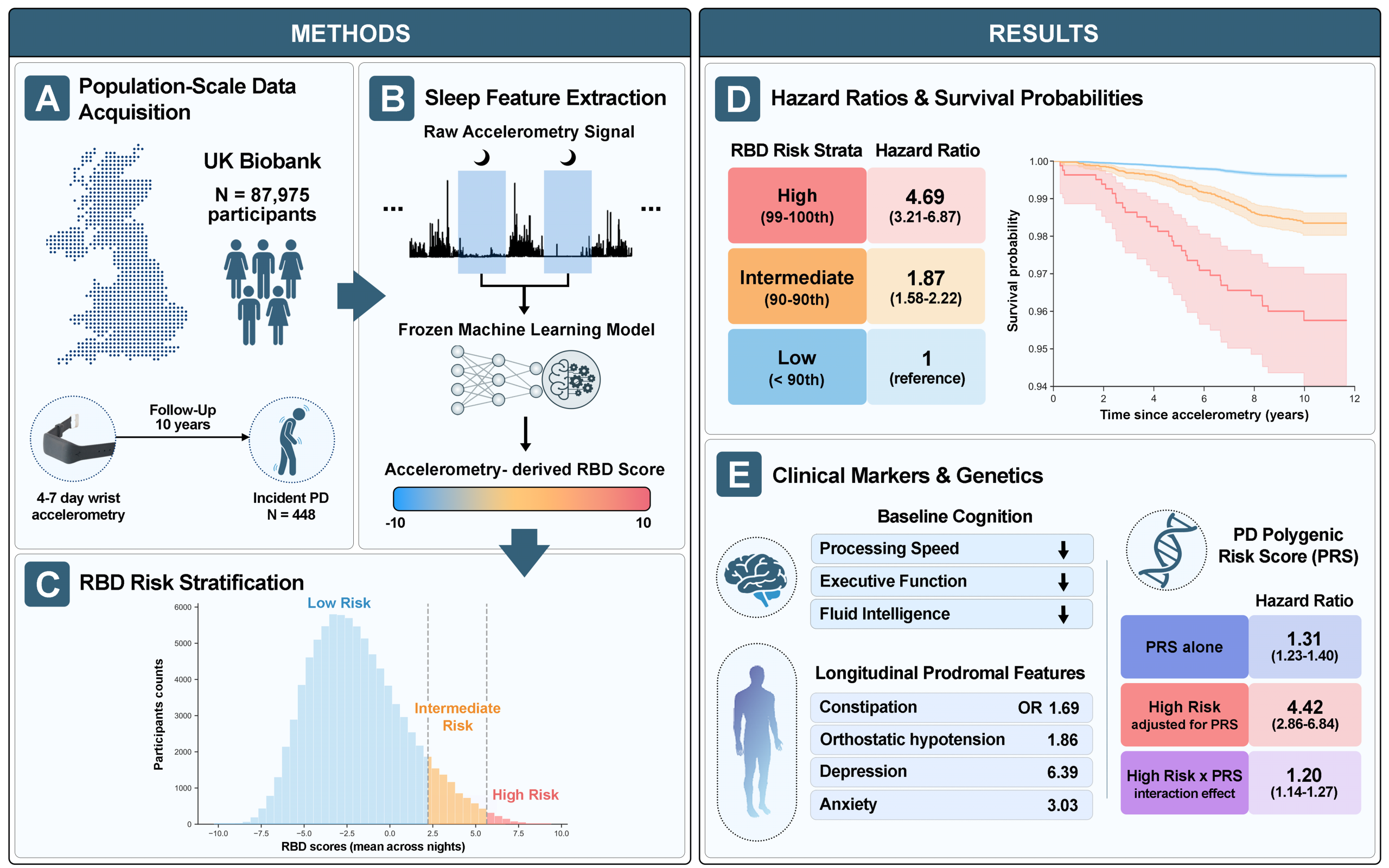
Accelerometry-Derived REM Sleep Behavior Disorder Predicts Future Parkinson’s Disease in the UK Biobank — Preprint, 2026
This study applied a validated machine learning classifier for REM sleep behavior disorder (RBD) to 7-day wrist accelerometry data from 87,975 UK Biobank participants followed for 10 years to evaluate Parkinson’s disease (PD) risk. Individuals in the highest RBD risk group had an approximately fivefold greater risk of developing PD, with risk increasing across the full range of RBD scores. Higher RBD risk was also associated with cognitive deficits and other prodromal features, independent of genetic risk, while combining accelerometry and genetic risk further improved prediction.
These findings support wrist accelerometry as a scalable approach for prodromal PD risk enrichment in population screening.