
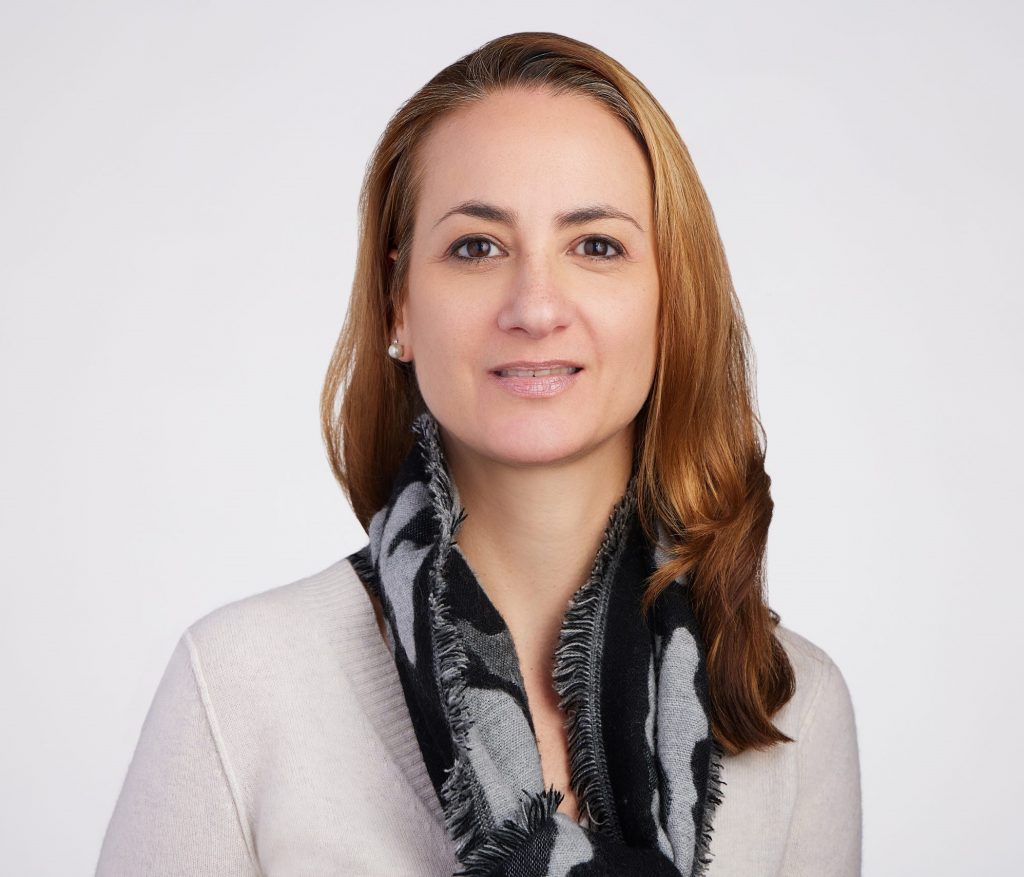
Emily Bernstein, PhD
Principal Investigator
Mount Sinai Profile
Read More
Dr. Bernstein is a Professor of Oncological Sciences and Dermatology at Mount Sinai School of Medicine in New York City. She performed her thesis research in the laboratory of Dr. Gregory Hannon at Cold Spring Harbor Laboratory with a PhD from Stony Brook University. Dr. Bernstein completed her postdoctoral studies with Dr. David Allis at The Rockefeller University. She has made important scientific contributions to various areas of biology during her career, including understanding the mechanisms underlying RNA interference and chromatin regulation, and more recently, how the latter can impact on disease. Her laboratory studies epigenetic mechanisms underlying stem cell biology and reprogramming, and cancer initiation and progression with a focus on malignant melanoma.
Alja Pirher, MD
Postdoctoral Fellow
Read more...
Neuroblastoma (NB) is the most common extracranial solid tumor in children. Alterations in the chromatin remodeler ATRX define a high-risk NB subgroup characterized by poor prognosis and limited therapeutic options. These alterations frequently generate ATRX in-frame fusion (IFF) proteins that lack essential chromatin-binding and interaction domains, potentially conferring new, alternative functions. Alja is particularly interested in understanding how ATRX IFFs sustain the NB phenotype by identifying novel binding partners and dissecting the mechanisms through which these fusions reprogram transcriptional networks. Her ultimate goal is to uncover critical ATRX IFF interactors that drive oncogenic transcriptional programs and represent potential therapeutic targets.
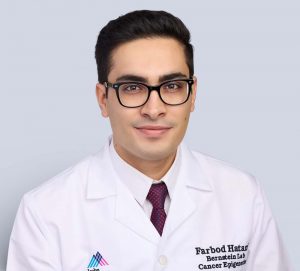
Farbod Hatami, MD
Postdoctoral Fellow
Read More
H2A.Z is a highly conserved histone variant upregulated in many cancers, playing critical roles in transcription, DNA replication, repair, apoptosis, and cell identity. However, its role in the tumor microenvironment remains unexplored. Previous work from our lab has shown that H2A.Z regulates melanoma cell proliferation, progression, and apoptosis. Farbod is using in vitro and in vivo models, alongside transcriptomic and epigenomic techniques, to investigate the mechanistic functions of H2A.Z and its chaperone complexes, SRCAP and P400-TIP60. His research aims to elucidate their roles in the melanoma tumor microenvironment and treatment resistance, as well as explore their potential as therapeutic targets.
Valentina Kirigin, MS
Research Associate
Read More
Valentina began her academic career in France where she first completed her bachelor’s degree in biology at Université de La Rochelle followed by a Master’s degree in research biomedicine at Université de Strasbourg. Valentina developed an interest in melanoma research while carrying out an internship at Laboratoire de Bioimagerie et Pathologies where she investigated how the positioning of various intracellular organelles affected migration and extracellular matrix degradation linked to melanoma progression. In Dr. Bernstein’s team, she is currently involved in understanding the role of macroH2A function in melanoma pathogenesis using mouse models. Outside the lab, Valentina enjoys working out, exploring the city and cooking new dishes.
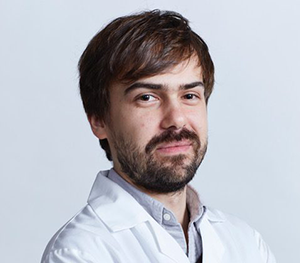
Dan Filipescu, PhD
Assistant Professor
Read more...
Histone variants are incorporated and exchanged at specific regions of the genome to regulate homeostasis and cellular identity. As such, histone variant dysfunction has profound consequences for tumor cells; however, the role of these chromatin components in the tumor microenvironment (TME) remains unclear. Using an autochthonous, immunocompetent primary melanoma model, Dan showed that mice devoid of the histone variant macroH2A develop larger tumors, underpinning a compromised anti-tumor immune response. This stems from intrinsic upregulation of inflammatory genes in cancer-associated fibroblasts (CAFs), where macroH2A deficiency leads to rewiring of 3D chromatin interactions. Dan is using his expertise with in vivo tumor models, in vitro cell biology, various modalities of large-scale data analysis (e.g., single cell RNA-seq, spatial transcriptomics, and epigenomics), and distinct compartments of the TME, to define how epigenetic modulation of CAFs directs their phenotype, in turn affecting immune cell activity in melanoma.
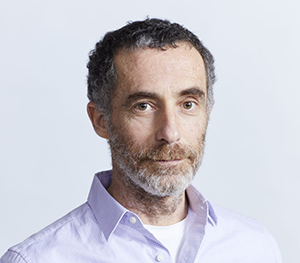
Dan Hasson, PhD
Associate Professor
Read More
Dan’s main research interest is focused on understanding the functional role of cis DNA regulatory elements in cancer initiation, progression, metastasis, and dormancy. Dan also studies the role of chromatin remodelers and transcription factors (TFs) that control the functional output of these elements, as well as the 3D chromatin structure associated with their regulation. Dan utilizes innovative genomic approaches and computational tools to support our laboratory’s studies investigating the role of epigenetics in cancers such as melanoma and neuroblastoma. Dan is also Director of the Bioinformatics for Next Generation Sequencing (BiNGS) core of the Mount Sinai Tisch Cancer Center.

Saul Carcamo, PhD
Lead Bioinformatician
Read More
Dr. Carcamo is a senior bioinformatician in the Bioinformatics for Next Generation Sequencing (BiNGS) Shared Resource of the Mount Sinai Tisch Cancer Center. Dr. Carcamo’s thesis dissertation focused on chromatin remodeling alterations in cancer. He has expertise in performing and analyzing epigenetic and transcriptomic genome-wide datasets. More specifically, Dr. Carcamo is an expert in analyzing ATAC- and ChIP-seq data, integration of epigenetic and transcriptomic data, and the analysis of TF networks.
Current Opportunities: The Bernstein Lab does not have any open positions at this time. Please revisit this page for future updates.
Lab Alumni: See where former lab members are now!
Postdoctoral Fellows and Instructors
- Alexandre Gaspar-Maia, PhD
Current Position:
Associate Professor
Laboratory of Functional Epigenomics
Mayo Clinic
Stabile 12-14
200 First Street SW
Rochester MN 55905
Maia.Alexandre@mayo.edu
(507) 293-2464 - Chiara Vardabasso, PhD
Current Position:
Principal Scientist
Preclinical Pharmacology
Deerfield Discovery and Development
345 Park Avenue South, 12th floor
New York, NY 10010
cvardabasso@deerfield.com - Thomas Strub, PhD
Current Position:
Senior PostDoc
INSERM U1065 equipe 1
Centre Méditerranéen de Médecine Moléculaire Batiment Archimed
151 route Saint-Antoine de Ginestière
06204 Nice cedex 3
Tel: +33 (0) 4 89 06 43 33
thomas.strub@unice.fr - April Cook, PhD
Current Position:
Principal Scientist
Novo Nordisk
aprilcook@gmail.com - Flávia Ghiraldini, PhD
Current Position:
Cell Biologist
Protara Therapeutics, Inc.
345 Park Avenue South
New York, NY 10010 - Sina Jostes, PhD
Current Position:
Health Solution Partner Hematology-Oncology
Pfizer, Switzerland - Elena Grossi, PhD
Current Position:
Marie Skłodowska-Curie Actions (MSCA) Fellow
European Institute of Oncology (IEO)
Milan, Italy
elena.Grossi@ieo.it
Graduate Students
- Chi-Yeh (Jay) Chung, PhD
Current Position:
Principal Bioinformatics Consultant
San Diego, CA
jaychung0524@gmail.com - David Valle-Garcia, PhD
Current Position:
Assistant Professor
Neuroimmunology Department
National Institute of Neurology and Neurosurgery (Mexico)
david.valle@innn.edu.mx - Zulekha Qadeer, PhD
Current Position:
Postdoctoral Scholar
William A. Weiss Laboratory
University of California San Francisco
Zulekha was supported by: Department of Defense Peer Reviewed Cancer Research Program Horizon Award (2016-2017)
zulekha.qadeer@ucsf.edu - Zhen Sun, PhD
Current Position:
Charles Sawyers lab
Human Oncology and Pathogenesis Program
Memorial Sloan Kettering Cancer Center
408 E 69th St, Z619, New York, NY 10065
sunz@mskcc.org - Saul Carcamo, PhD
Current Position:
Bioinformatician
Bioinformatics for Next Generation Sequencing (BiNGS) core
Mount Sinai Tisch Cancer Center
saul.carcamo@mssm.edu - Christie Nguyen, MD/PhD
Current Position:
Dermatology Resident
UC Irvine School of Medicine - Anisha Cooke, PhD