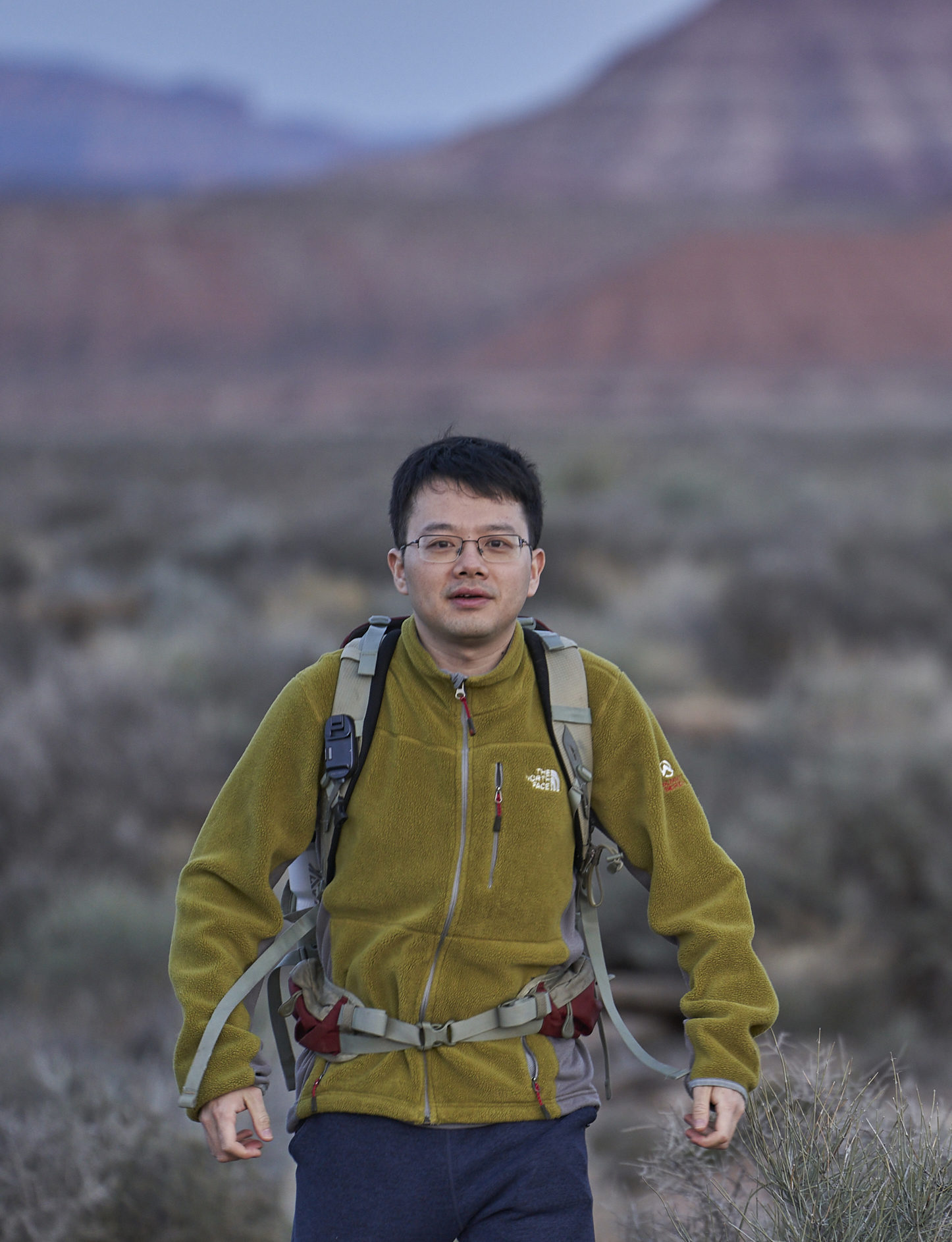
Zhe Ying, PhD
Principal Investigator
Assistant Professor, Department of Stem Cell Biology and Regenerative Medicine
Zhe is an experimental biologist who is drawn to questions that can be watched unfold in intact tissues and resolved through decisive genetic experiments. He particularly enjoys building new tools that make previously inaccessible biological problems experimentally tractable. He remains closely involved at the bench, microscope, and whiteboard, where observations often develop into new questions and projects.
Zhe’s approach to mentoring is similarly hands-on. He encourages trainees to articulate competing explanations, identify the evidence that would change their minds, and design experiments capable of distinguishing among the alternatives. He values technical independence, but even more importantly, wants each trainee to develop scientific judgment and a research direction that genuinely belongs to them.
Zhe received his PhD from Sun Yat-sen University in 2014, where he was awarded the Ray Wu Prize. He completed his postdoctoral training with Dr. Slobodan Beronja at Fred Hutchinson Cancer Center. His postdoctoral research was supported by an NIH Pathway to Independence Award (K99/R00) and the Thomsen Family Breast Cancer Fellowship.
Outside the laboratory, Zhe enjoys reading about the history of science and technology—particularly the experiments and inventions that changed how people understood a problem. He also enjoys cycling, hiking, kayaking, road trips, and photography.

Qiwen Gan, PhD
Postdoctoral Fellow
AACR Bosarge Family Foundation-Waun Ki Hong Fellow for Regenerative Cancer Medicine
Qiwen received his PhD from the Institute of Genetics and Developmental Biology, Chinese Academy of Sciences, in 2018, where he studied apoptotic cell clearance and lysosomal homeostasis in Caenorhabditis elegans. He subsequently trained in the Iavarone laboratory at Columbia University, investigating the molecular biology of glioma.
Qiwen joined the Ying Laboratory in February 2022 and has led two complementary studies of epithelial clonal dynamics. His work revealed how loss of p53 generates a spatial Wnt signaling gradient that sustains mutant clonal expansion (Science, 2026). In parallel, he established a comparative in vivo screening strategy to identify genetic perturbations that promote epithelial regeneration without increasing tumor fitness (preprint).
Qiwen is now developing an independent research direction focused on how loss of tumor-suppressor function creates developmental competence for basal-like breast cancer initiation. He received the 2023 AACR Bosarge Family Foundation–Waun Ki Hong Scholar Award for Regenerative Cancer Medicine.
Outside the laboratory, Qiwen enjoys playing badminton and exploring New York City with his family.
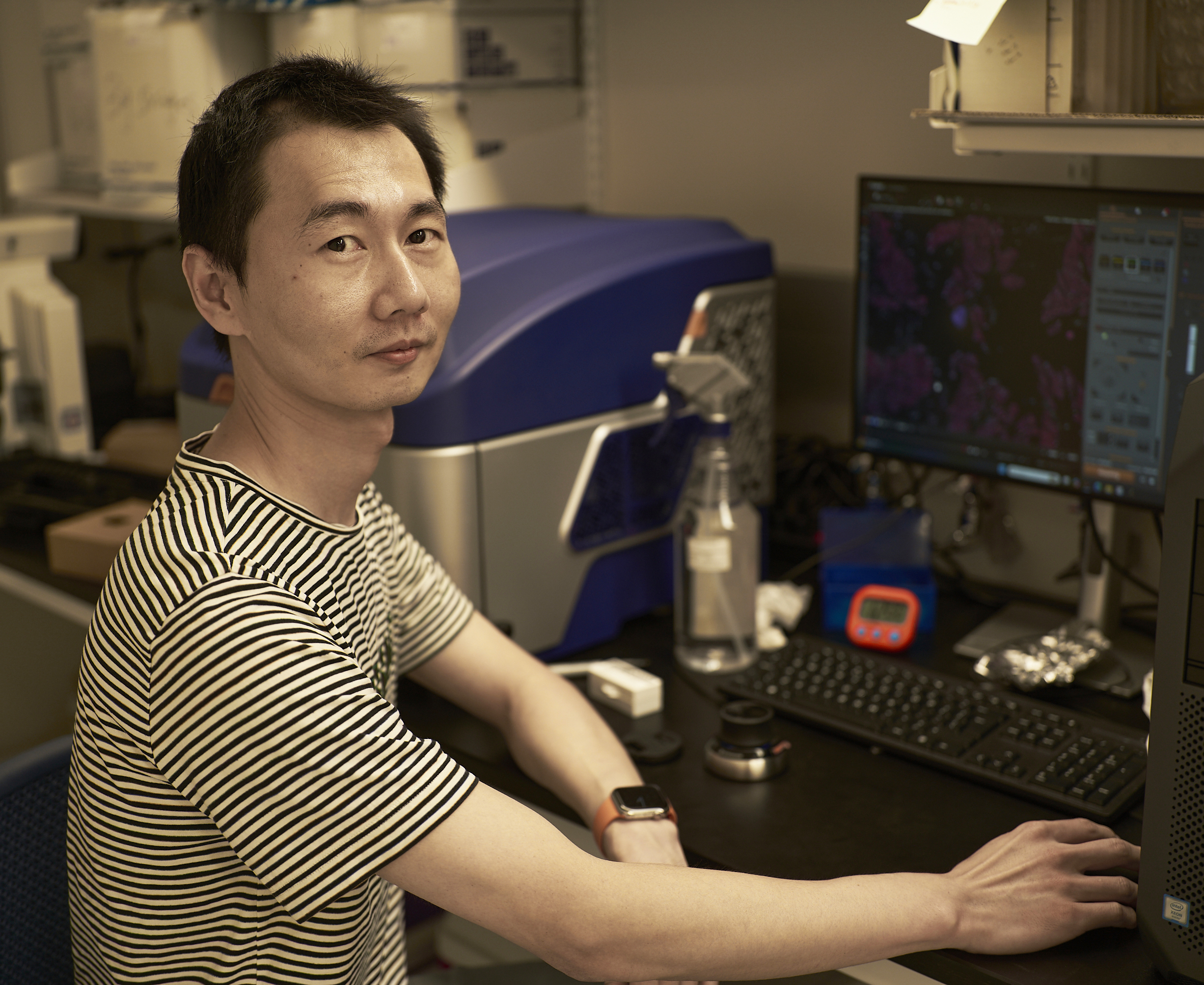
Xin Wang, PhD
Postdoctoral Fellow
Xin received his PhD in Genetics from Fudan University in 2020. During his doctoral training, he used organoid-based liver models to investigate the chemical and signaling pathways that regulate liver cell plasticity and regeneration. He subsequently completed postdoctoral training in Dr. Michael Rendl’s laboratory at the Icahn School of Medicine at Mount Sinai, where he studied hair follicle biology.
Xin joined the Ying Laboratory in July 2026. His research investigates why distinct salivary gland epithelial populations possess different regenerative capacities and how lineage identity, differentiation state, and tissue environment determine whether damaged cells can re-enter productive growth. His broader goal is to identify mechanisms that restore epithelial function following injury.
Outside the laboratory, Xin enjoys traveling, exploring New York City, and discovering new restaurants and neighborhoods.
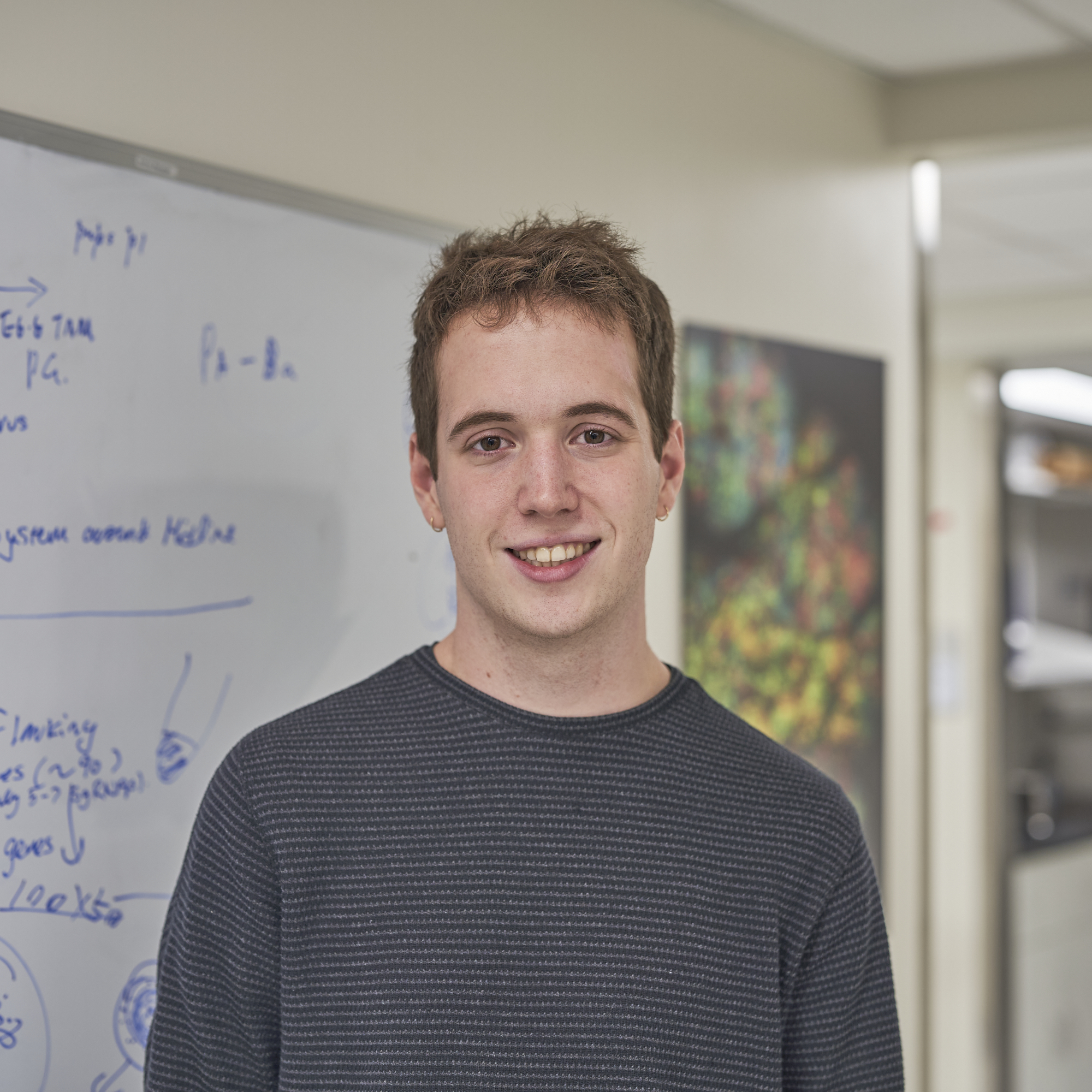
Sam Morningstar
PhD Student
Sam received his BS in Biology from the University of Massachusetts Amherst. After graduation, he joined the Gouon-Evans Laboratory at Boston University as a laboratory manager, where he studied hepatocyte replication and the conversion of biliary epithelial cells during acute and chronic liver injury. This work sparked his interest in how cell identity and tissue organization shape development and regeneration.
Sam joined the Ying Laboratory in April 2026. He uses quantitative lineage tracing, lentiviral genetic perturbation, and three-dimensional and intravital imaging to investigate how spatial tissue organization and local cell–cell interactions constrain epithelial clonal expansion. His broader goal is to understand how tissue architecture is translated into long-term clonal behavior during development, regeneration, and disease.
Outside the laboratory, Sam enjoys running, cooking, skiing, and exploring New York City with friends.
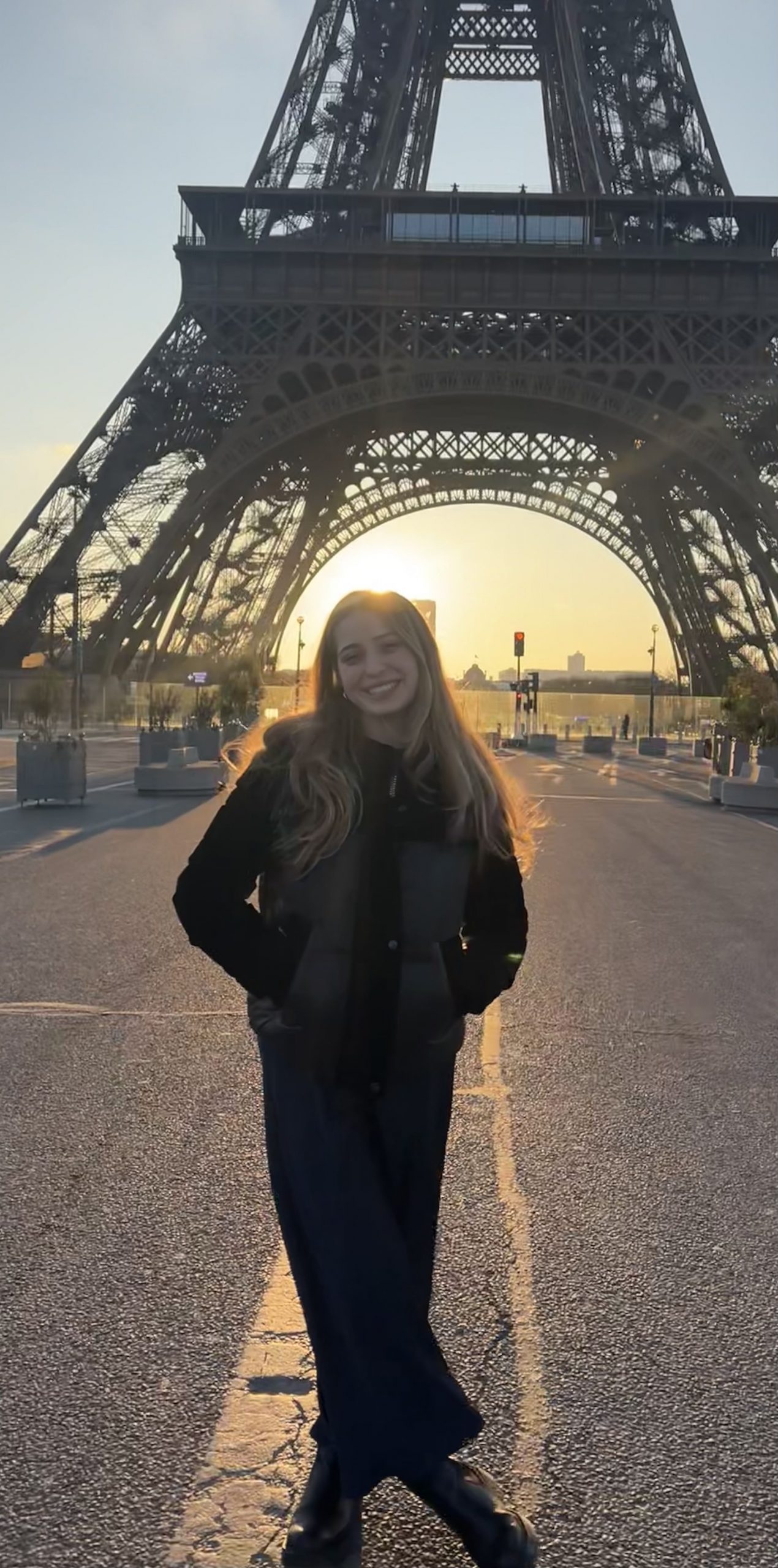
Ahuva Halpert (Alumni)
Undergraduate Researcher
Ahuva contributed to the Ying Laboratory as an undergraduate researcher while pursuing her biology degree at Touro University. During her time in the lab, she gained hands-on research experience and explored how experimental biology can inform medicine and patient care.
Ahuva has also served as Content and Interview Coordinator for AJES, a nonprofit organization that fosters mentorship and collaboration among Jewish engineers and applied scientists. She plans to pursue a career in medicine.