
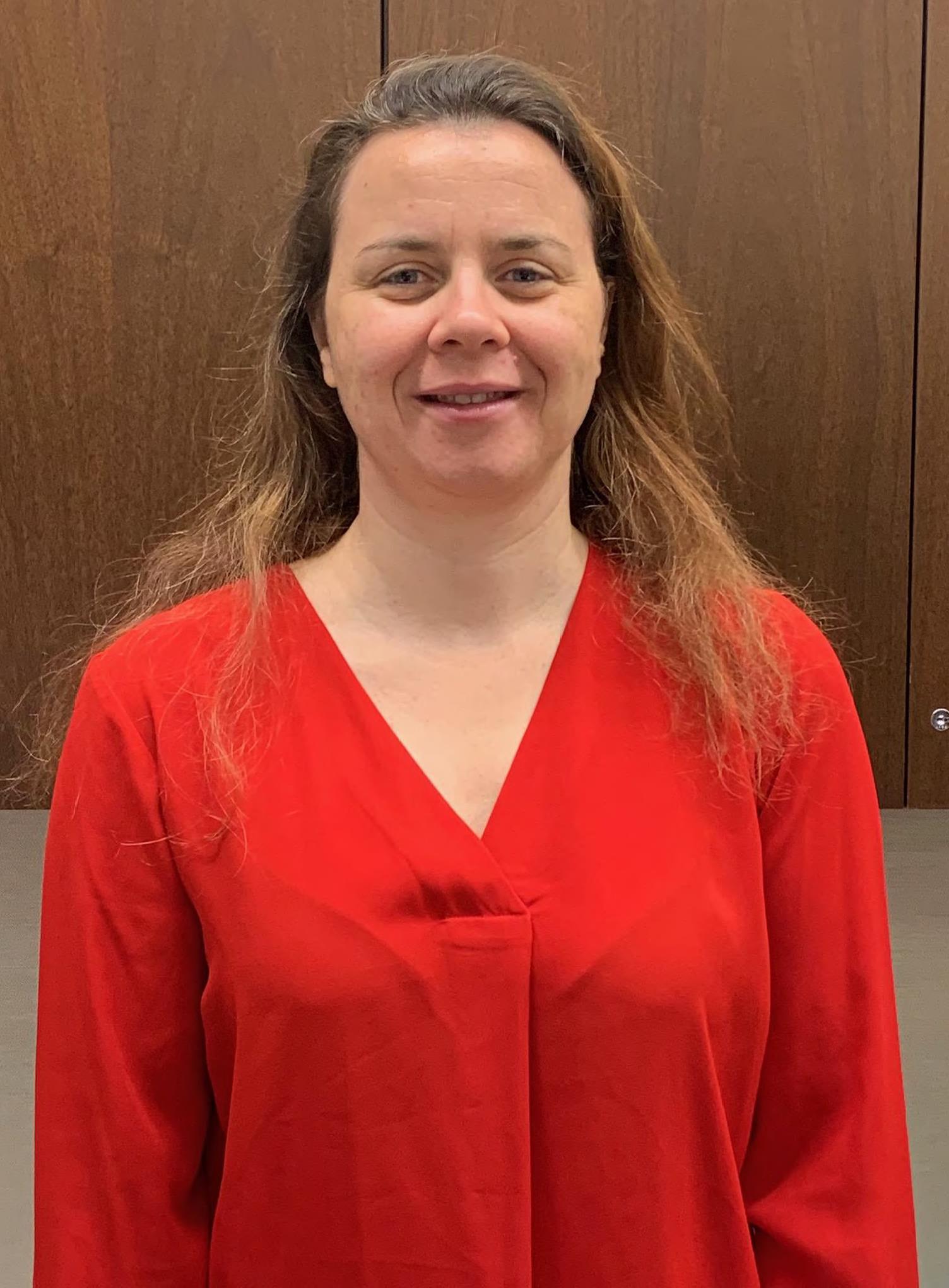
 Tiphaine Martin is a postdoctoral fellow with a background in computational biology, bioinformatics, and biostatistics. She is working to improve the identification and screening of patients in high risk for cancer. Tiphaine is also investigating the genetic variants (germline and somatic) identified in large omic data sets, including BioMe biobank Program and the TCGA/ICGC, with electronic medical records (EMR) and the Cancer Registry. In addition to data sets from the Mount Sinai Hospital to identify and characterize new associations of genetic variants with cancer development and treatment response. She is also studying whether genetic variants come from specific ancestry and population founders. Moreover, she brings support to members of the Parsons’s lab as well as our collaborators in bioinformatics and biostatistics.
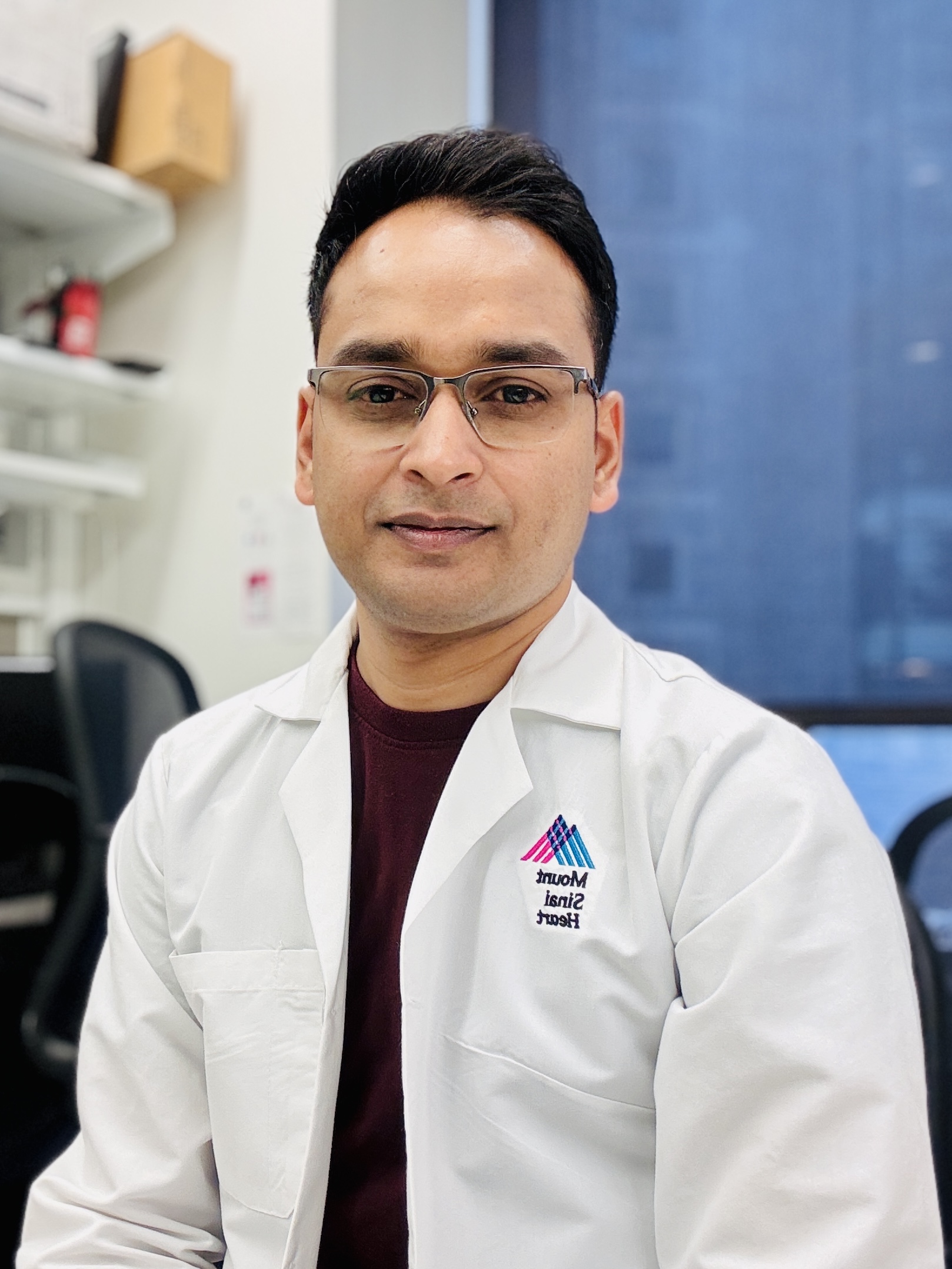 Ashikur Rahman is a postdoctoral fellow in the Parsons Laboratory. His research is focused on overcoming therapeutic resistance and redefining tumor suppressor biology in breast cancer. He develops mechanism-based combination strategies to treat advanced fulvestrant-resistant estrogen receptor–positive breast cancer, aiming to restore therapeutic sensitivity and achieve durable tumor control. In parallel, he investigates the non-canonical functions of PTEN isoforms, particularly PTEN-Long, to uncover novel mechanisms of oncogenic signaling and immune regulation, translating these insights into clinically actionable strategies for breast cancer.
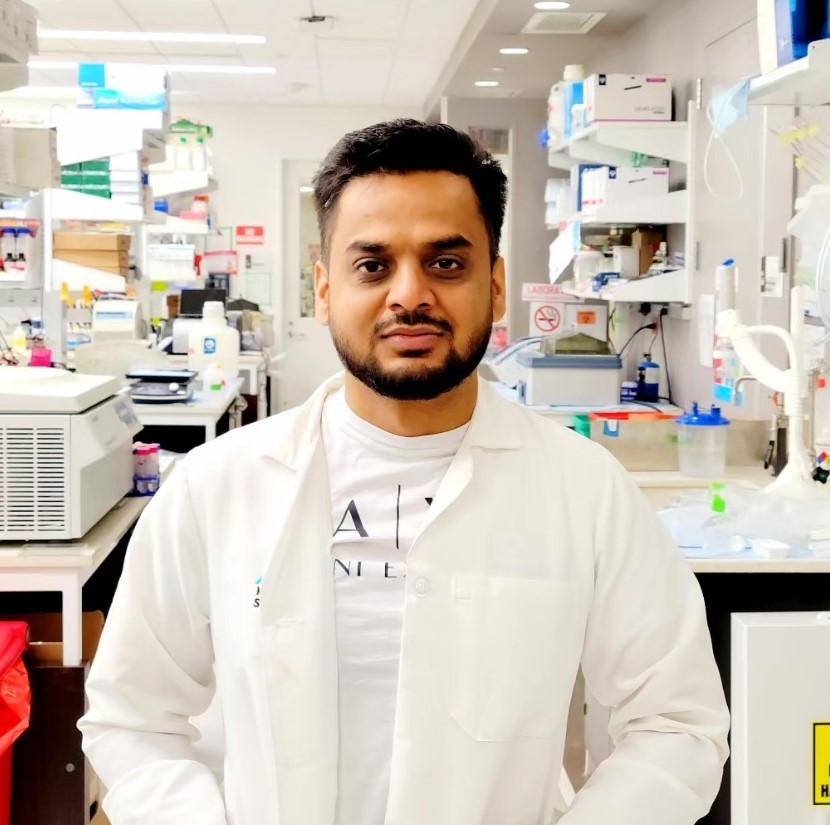 Shrikant Barot is a postdoctoral fellow in the Parsons Laboratory. His work focuses on targeted protein degradation strategies in cancer. His current work centers on the development and optimization of AKT-degrading PROTACs, and has identified multiple promising lead compounds that are being further refined for potency, selectivity, and therapeutic potential. Prior to joining Mount Sinai, he completed his PhD at St. John’s University in Queens, where his research focused on tumor metabolism and therapeutic vulnerabilities. His doctoral work demonstrated that inhibition of glycogen metabolism can significantly suppress tumor growth, highlighting metabolic dependencies as actionable targets in cancer. He also investigated lactate dehydrogenase (LDH) as a potential metabolic target for anticancer therapy. He earned his Master of Pharmacy in Pharmacology in India, which provided a strong foundation in drug development and translational pharmacology that continues to inform his research approach.
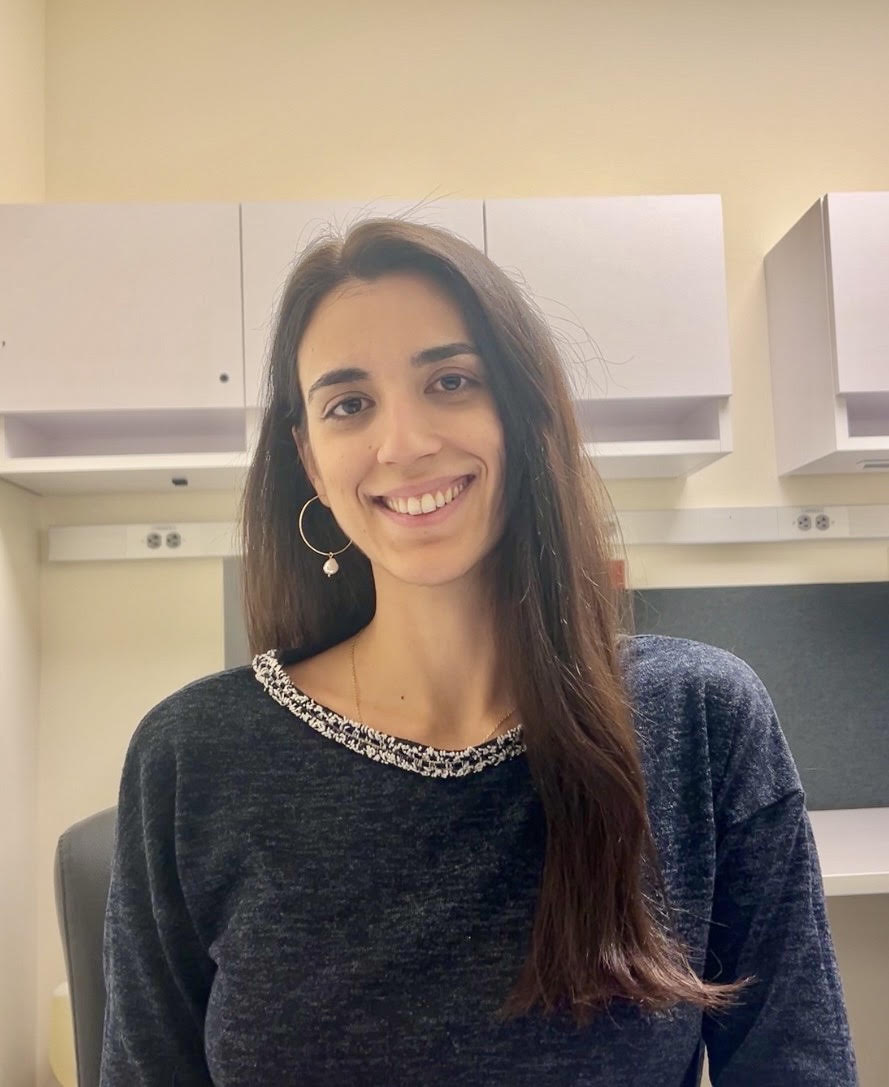
Laura Ramos-Hernández is a postdoctoral fellow in the Parsons Laboratory. Her research focuses on mechanisms driving resistance to targeted cancer therapies, with a particular emphasis on PI3K/AKT and MAPK signaling. She investigates resistance mechanisms to PROTAC-based AKT degraders, aiming to identify combination strategies based on these mechanisms to enhance therapeutic responses. In parallel, she investigates the regulation of tumor suppressor signaling through the interaction between PTEN and PREX2, seeking to understand how this interaction modulates oncogenic signaling. She also explores metabolic vulnerabilities in colorectal cancer by investigating the role of sodium-glucose transporters (SGLTs) in tumor growth and metabolic adaptation, aiming to identify new therapeutic opportunities. She completed her PhD at the National Cardiovascular Research Center (CNIC) in Madrid, Spain. There, she investigated novel therapeutic targets in catecholaminergic polymorphic ventricular tachycardia (CPVT2), using genetically engineered mouse models.