Laboratory for Interoception and Metabolism Research
The BrainBody Lab investigates the continuous, dynamic interaction between the brain and the body. While traditional neuroscience has focused primarily on the brain, emerging evidence shows that physiological states—from metabolism to breathing to immune responses—shape neural circuits just as powerfully as the brain shapes the body. Our lab seeks to uncover these bidirectional pathways to better understand stress-related behaviors, metabolic health, and interoceptive processes.
A growing body of research demonstrates that the brain and body are in constant conversation. However, the field has historically emphasized brain-centric mechanisms, leaving major gaps in understanding how peripheral organs and internal bodily states influence brain function. The BrainBody Lab is dedicated to studying this dynamic interplay. We investigate how stress, metabolic cues, and interoceptive signals shape brain circuits—and how these circuits, in turn, regulate physiology and behavior.
Lab Vision: From Potential to Expression
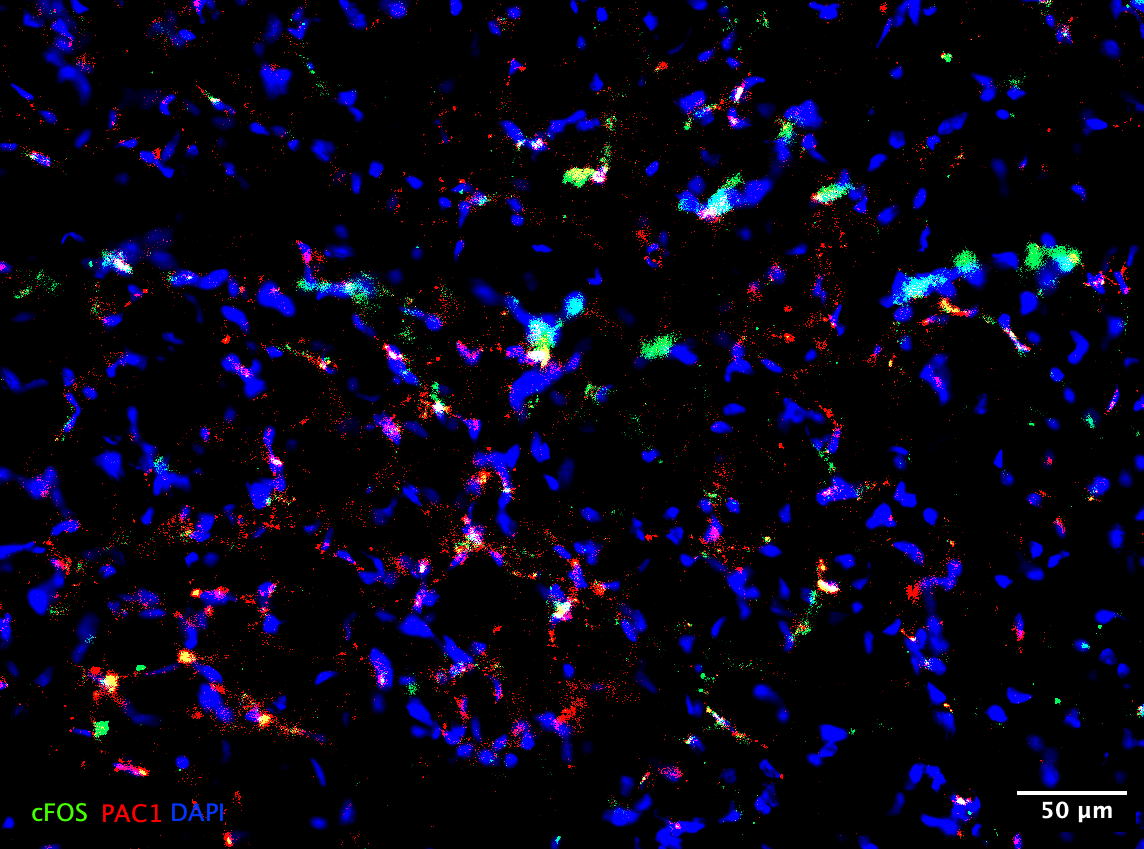
At the heart of our lab is a simple belief: every system, biological or human, carries potential. Like a seed, what unfolds depends on the conditions that support its growth.
We study how the brain, body, metabolism, and behavior interact, but our vision extends beyond scientific discovery alone. We also aim to create a lab environment where students and trainees from many backgrounds can thrive, contribute, and become who they are capable of becoming.
Curiosity: Seeing the Seed
Every question carries the possibility of discovery. We approach research with openness, humility, and imagination, looking beyond what is already known to ask what is emerging but not yet fully understood. We believe curiosity belongs to everyone. Students enter science with different experiences, cultures, strengths, and ways of thinking. These differences are not obstacles; they are sources of insight. A meaningful scientific community makes space for many ways of seeing.
Exploration: Nurturing Potential
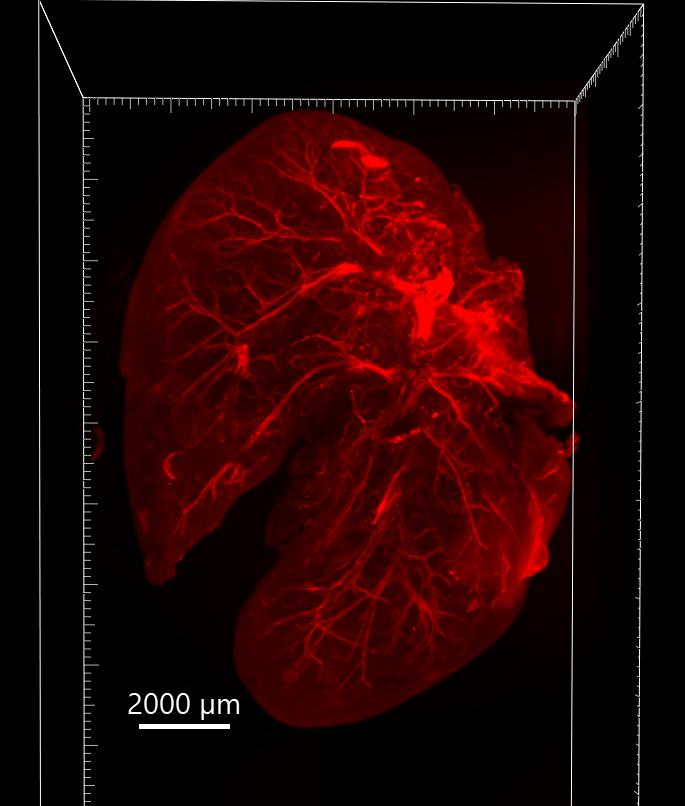
Ideas, like seeds, need the right environment to grow. We cultivate a space that supports inquiry, thoughtful risk-taking, mentorship, collaboration, and interdisciplinary exploration across brain, body, metabolism, and behavior. Our goal is to help students develop not only technical skills, but also confidence, independence, resilience, and scientific voice. We want trainees to feel that they belong in science and that their questions matter.
Growth: Realizing What Can Become
We believe potential exists in every individual and every line of inquiry. The purpose of the lab is not only to generate data, papers, and answers, but also to enable transformation: in how we understand biology, how we ask questions, and how we grow as people. Hence, we support our trainees with close mentorship, opportunity, rigor, and care, where curiosity becomes discovery and training becomes confidence. Science becomes a path for both knowledge and human development.
Guiding Theme: Awareness
Our guiding principle is the human ability of Awareness in both scientific observation and inner inquiry. It is what allows us to measure the world carefully and notice what is happening within ourselves.
In our lab, awareness means paying attention: to data, to biology, to uncertainty, to one another, and to the conditions that allow people and ideas to flourish. Through this lens, we aim to build a scientific community where diverse students can grow, contribute, and thrive.
Impact on Health, Healing, and Learning
Research on interoception and metabolism can help us understand how the body and brain communicate to shape stress, emotion, attention, and behavior. By studying how internal signals such as breath, heartbeat, energy balance, hunger, fatigue, and bodily tension influence the mind, we can develop better approaches to support mental health, resilience, and self-regulation.
This work has the potential to impact health by identifying how metabolic state and body awareness influence stress responses, mood, cognition, and overall well-being. It may also inform new practices and interventions that combine breath, movement, nutrition, rest, and awareness to help people regulate their nervous system and reconnect with the body.
For healing, this research points to the importance of listening inward. Healing is not only about treating symptoms, but also about restoring connection between body, brain, and awareness. Interoception provides a scientific framework for understanding this inner listening.
For learning, the lab can create an environment where students explore not only biological mechanisms, but also how science connects to lived experience. Through this work, students from diverse backgrounds can learn to ask meaningful questions, integrate objective data with human experience, and contribute to a more holistic understanding of health.