Closing The Data Gap in Women’s Health via Digital Data
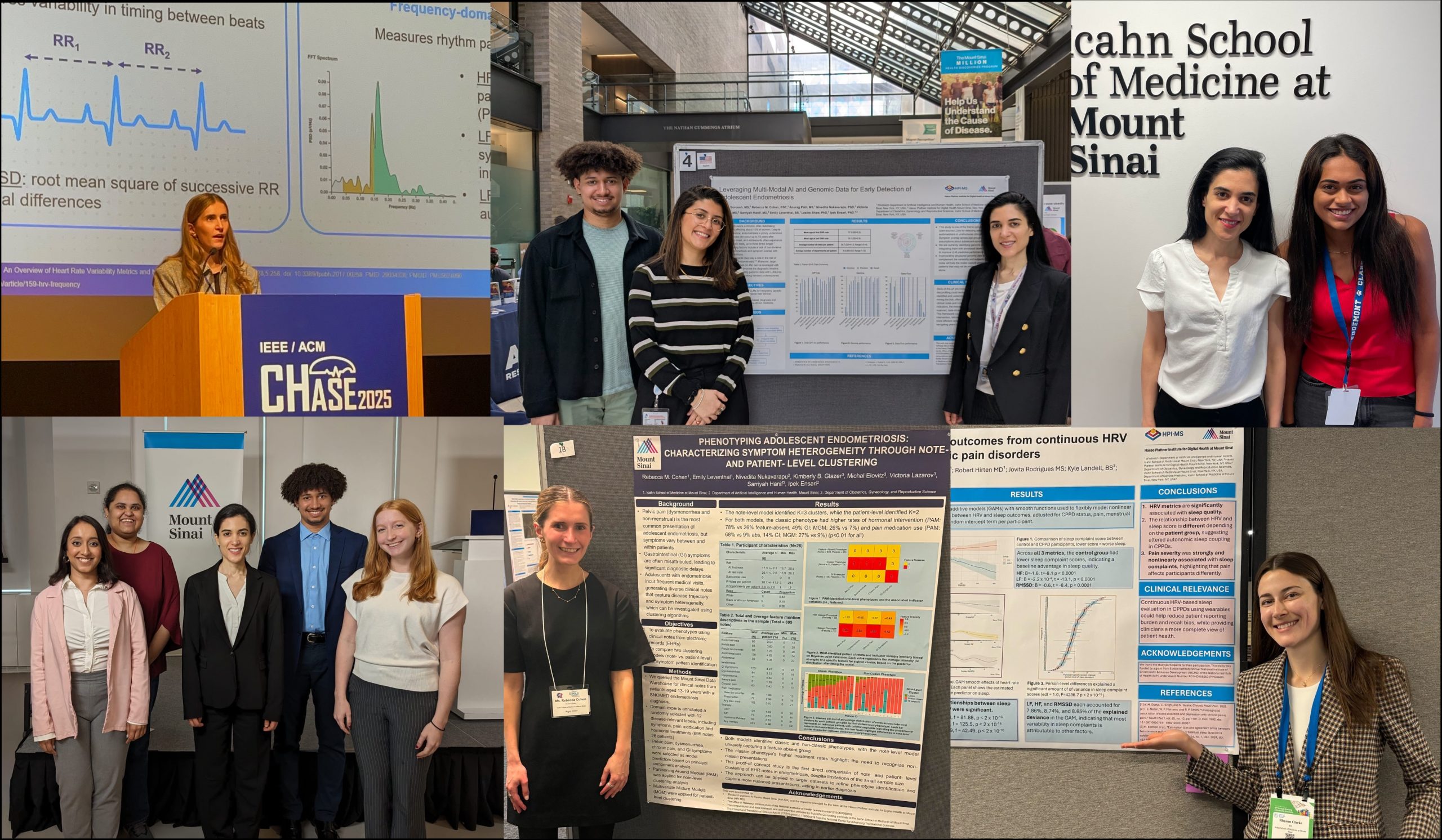
The Ensari Lab studies how digital health tools, wearable data, and AI can be integrated to improve the measurement, understanding, and care of female reproductive disorders. We focus on endometriosis, adenomyosis, fibroids, chronic pelvic pain, and related conditions that debilitate daily functioning and quality of life yet remain under-documented, poorly managed, and too often dismissed.
Our work is driven by a practical question: How do we ensure the digital data from Apps, wearables, and AI-based tools are accurate, reliable, and clinically useful for women’s health? To answer that question, we design and run real-world studies using patient-generated digital data from mobile health (mHealth) technologies, and novel statistical methods to understand how these mHealth tools perform in everyday life and how they can better support patients and clinicians.
Our research is organized around three core areas:
-
Validating digital health tools: testing whether apps, wearables, and AI-based technologies are reliable, valid, and clinically meaningful for reproductive and pelvic pain conditions.
-
Interpretation of patient-generated digital health data: developing ways to make symptom, behavioral, and physiological data more understandable and actionable for both patients and clinicians, with the goal of supporting better conversations, better decisions, and more agency.
-
Personalizing lifestyle interventions: studying exercise and other lifestyle-based strategies to improve daily functioning, quality of life, and long-term health for people living with chronic pain conditions.
In addition to our peer-reviewed publications, we share ongoing findings and reflections through Data Bytes, our lab blog for research participants and the broader community. This work depends on the time, trust, and insight of the people who participate in our studies, and we are deeply grateful for their contributions.
The lab welcomes collaborations across research, clinical care, and multi-media public communication. To discuss collaboration opportunities, speaking invitations, or ways this work may inform policy, clinical practice, or public dialogue, please contact Dr. Ipek Ensari at ipek.ensari@mssm.edu.