Arteriovenous access is critical for survival among patients with end-stage kidney disease requiring renal replacement therapy with hemodialysis. Although arteriovenous fistulae (AVF) have superior outcomes compared with grafts and catheters, AVF remain imperfect, with multiple modes of failure that typically cause morbidity requiring multiple episodes of care with resultant patient suffering and healthcare costs; AVF failure—both early failure to mature as well as late failure of a functional conduit—is a critical issue for patients; vascular access for hemodialysis is an essential and under-recognized lifeline for patient survival.1Unfortunately, multiple approaches to improve outcomes of AVF have not translated into durable therapy. Our laboratory has taken the approach of understanding adaptive venous remodeling within the fistula environment, which is somewhat different than the adaptive remodeling of vein grafts within the arterial environment.
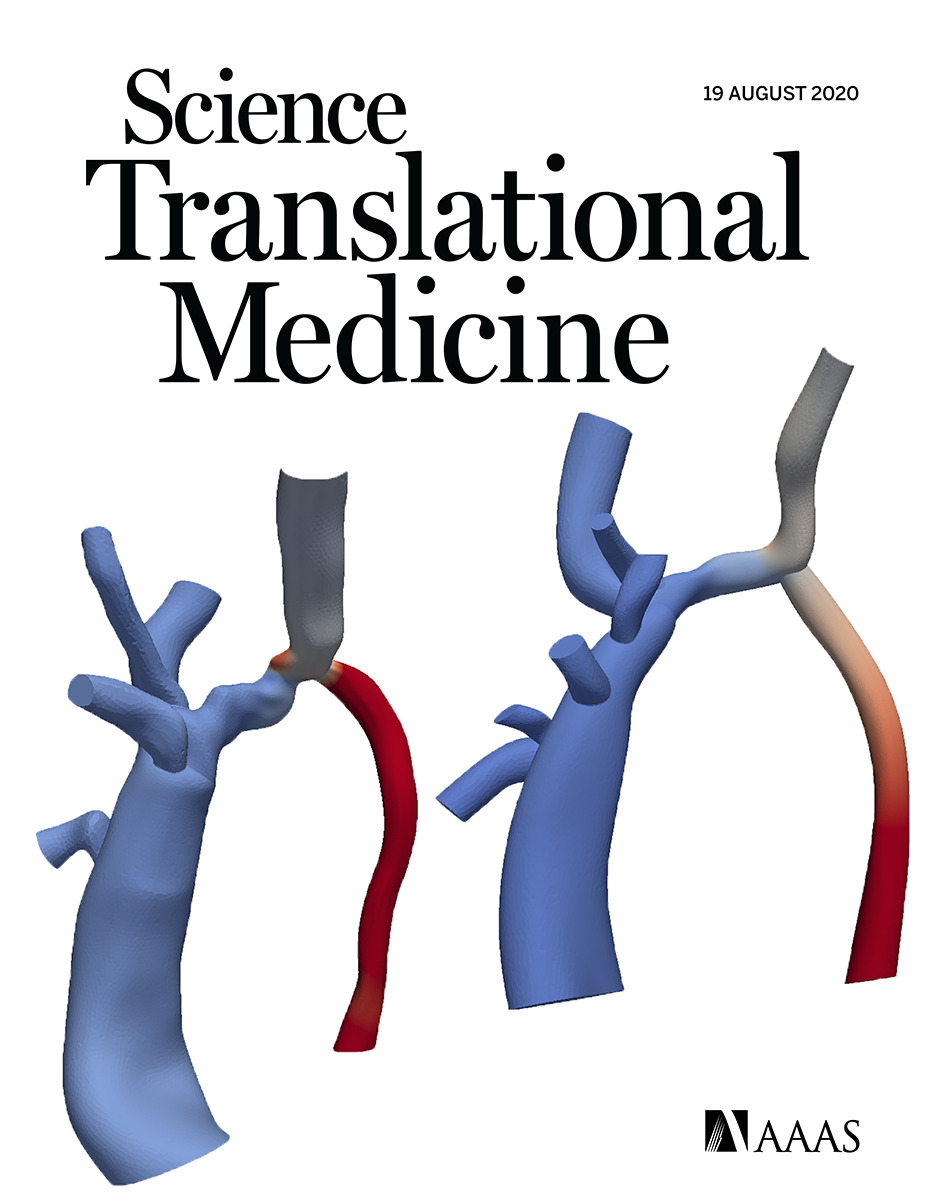
RADAR: Patients with end-stage kidney disease require surgery to create arteriovenous fistulae (AVF) for dialysis access. Artery-to-vein (A-V) configuration using radial artery deviation and reimplantation (RADAR) improved maturity and patency of AVF. Decreased hyperplasia and improved hemodynamics in A-V–configured AVF in rats and longer-term patency with reduced reintervention rates in patients (Dardik A. JVS Vasc Sci. 2024; Bai, et al, Science Translational Medicine, 2020).
Mouse AVF
Disturbed arteriovenous flow after mouse AVF creation (By H.B)