


Joint Replacement Outcomes Research
Helping people get back to living and moving with comfort and confidence
Contact Us to learn more about our work and opportunities to get involved. We look forward to hearing from you.
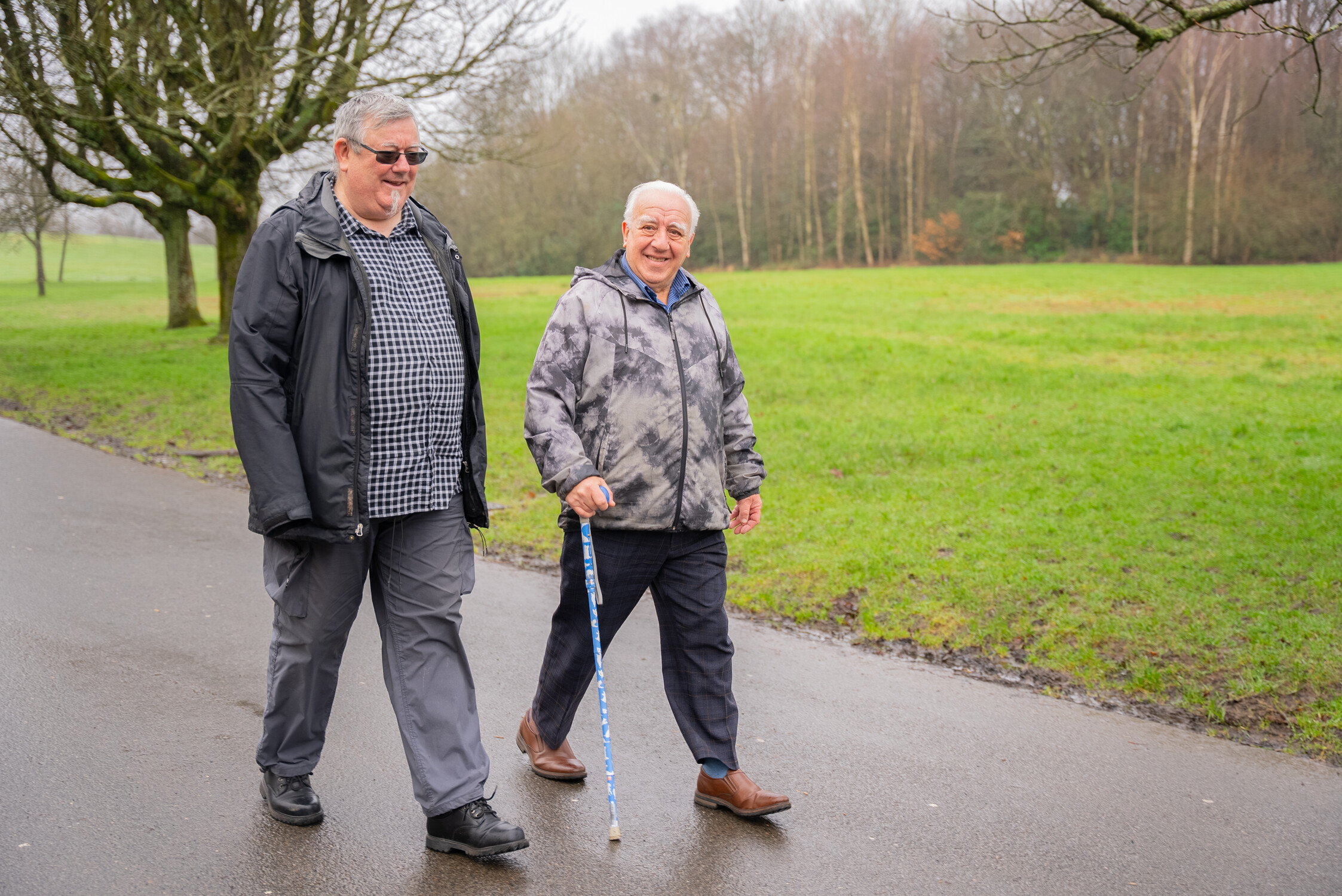
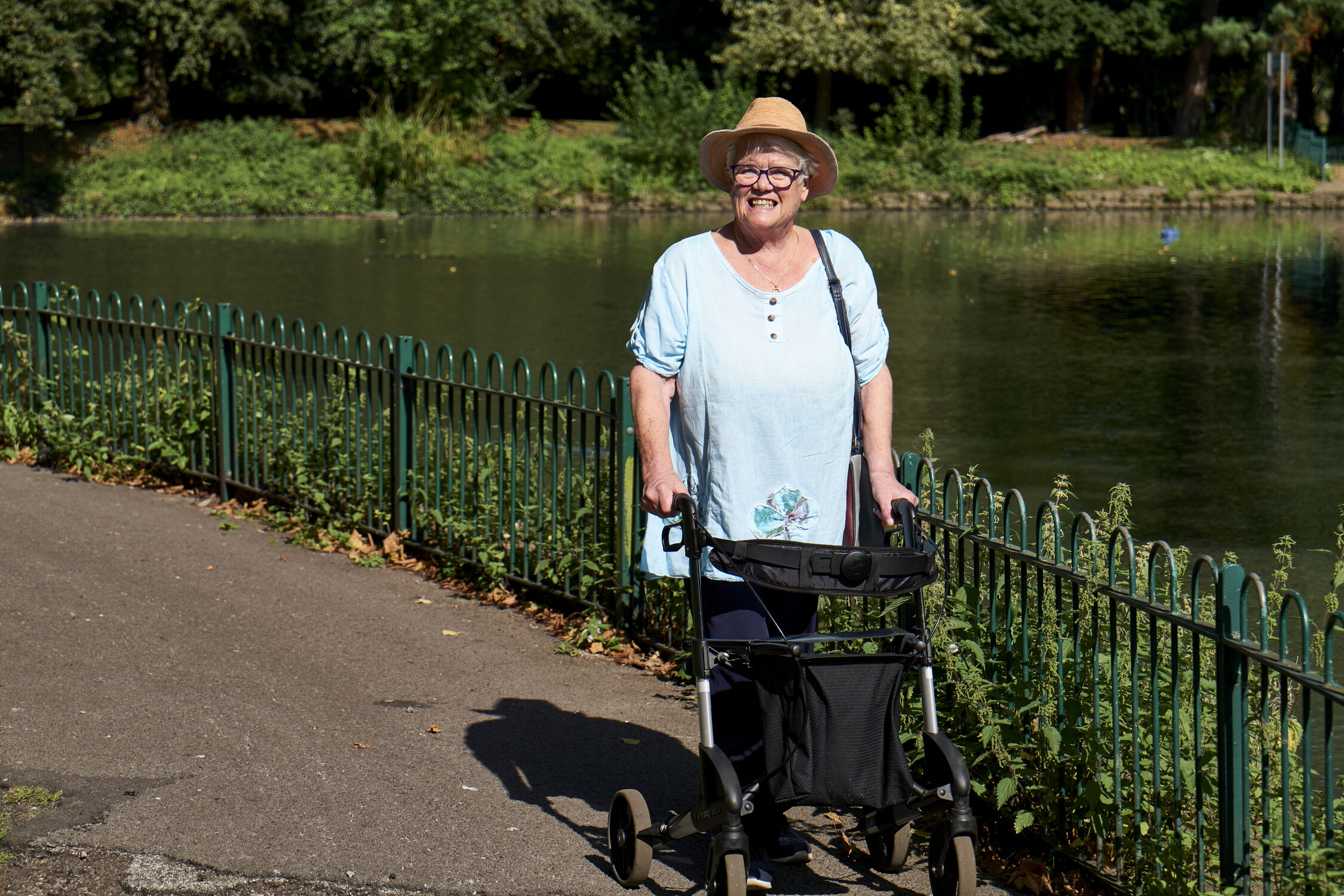
The Joint Replacement Outcomes Research Group at the Mount Sinai Health System aims to ensure the highest quality of care and exceptional outcomes for patients undergoing hip or knee joint replacement in our health system and beyond.
Hip joint replacement and knee joint replacement – also known as arthroplasty – are high-volume surgeries with tremendous potential to improve quality of life. Given an aging population, optimizing care has strong implications for public health. Our research group leverages the exceptional dual clinical and research strengths of Mount Sinai, often using routine care as our laboratory. Our research is a close collaboration between surgeon-investigators and PhD-trained investigators to ensure that our work is both clinically impactful and methodologically rigorous. We use a variety of clinical research and health services research methods to drive care improvements. We are also committed to nurturing the next generation of surgeons and scientists through mentorship of medical students and residents throughout the research process.
Our Research Team

Calin Moucha, MD
Professor
About Dr. Moucha
Dr. Moucha is a Professor in the Leni & Peter W. May Department of Orthopaedic Surgery. He is also the Chief of the Adult Reconstruction & Joint Replacement Division. His clinical practice focuses on complex primary and revision hip and knee replacement surgery. He has specific clinical and research interest and expertise in the treatment of infected hip and knee implants.

Brett Hayden, MD
Assistant Professor
About Dr. Hayden
Dr. Hayden is an Assistant Professor in the Leni & Peter W. May Department of Orthopaedic Surgery. He is a joint replacement surgeon of the hip and knee who specializes in complex and revision total joint replacement, with specific expertise and training in orthopaedic oncology. He is actively involved in research in multiple domains, including topics such as infection and health disparities.
Brocha Stern, PhD, OTR
Assistant Professor
About Dr. Stern
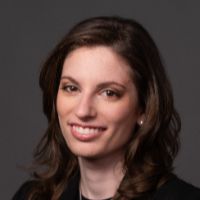
Dr. Stern is an Assistant Professor with a joint appointment in the Leni & Peter W. May Department of Orthopaedic Surgery and Department of Population Health Science & Policy. She is also affiliated with the Institute for Healthcare Delivery Science. Her research uses a variety of methodological approaches, including mixed methods, to promote value-based, patient-centered care.
Darwin Chen, MD
Associate Professor
About Dr. Chen
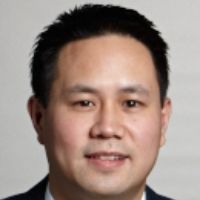
Dr. Chen is an Associate Professor in the Leni & Peter W. May Department of Orthopaedic Surgery. He specializes in hip and knee replacement, minimally invasive surgery, as well as complex and revision arthroplasty. He performs innovative procedures such as direct anterior hip replacement, partial knee replacement, and robotic-assisted surgery.

Mayuri Jain, MPH
Biostatistician
About Mayuri
Mayuri is a Biostatistician II within the Institute for Healthcare Delivery Science and Mount Sinai Tisch Cancer Institute Biostatistical Core. Her research interests include clinical trial design and protocol development, as well as the analysis of healthcare claims data, including MarketScan. Her work applies a range of quantitative methods, including causal inference approaches such as propensity score matching, mixed-effects modeling, survival analysis, and temporal trend assessment.
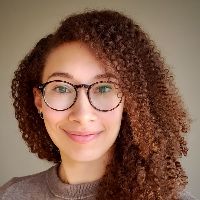
Grace Van Hyfte, MSc
Biostatistician
About Grace
Grace is a Biostatistician II within the Institute for Healthcare Delivery Science and Tisch Cancer Institute biostatistical core. Her role is multifaceted, including leadership of long-term collaborative contracts with research groups in orthopedics, myeloproliferative neoplasms, lung oncology, and hematological and solid tumor working groups. Grace’s research interests encompass areas such as clinical trial design and protocol development, particularly in group sequential designs for early phase clinical trials, longitudinal biomarker and time to event joint modeling, particularly addressing competing risks in treatment and progression of disease, and causal inference methods in National Cancer Database and Medicare administrative databases.
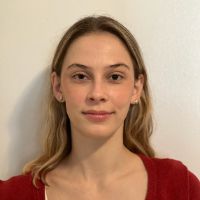
Olgerta Mucollari, BS
Clinical Research Coordinator
About Gerta
Gerta is a Clinical Research Coordinator in the Leni & Peter W. May Department of Orthopaedic Surgery. She coordinates a funded joint replacement project and contributes to research across orthopaedic subspecialties, including spine and sports medicine. Through this work, she is committed to developing a strong foundation in clinical research methodology and interdisciplinary collaboration and has applied her research experience to continued learning in medicine, with the goal of pursuing a future career as a physician. In her free time, she enjoys watching tennis matches, painting portraits of her friends’ pets, and discovering new coffee shops.
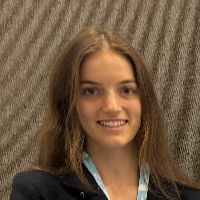
Francesca Docters, BA
Medical Student (Class of 2028)
About Francesca
Francesca (Fran) grew up in Larchmont, NY and attended Northwestern University where she studied Biological Sciences and Psychology and was a member of the varsity soccer team. She is a middle child in a soccer-crazed family still celebrating Argentina’s 2022 World Cup victory and crying over Manchester United’s downfall. Prior to starting medical school, she worked in a sports medicine clinic for a year, where she grew a strong excitement for learning musculoskeletal pathology and all things orthopedics!

Jonathan (JJ) Huang, BS
Medical Student (Class of 2029)
About JJ
Before arriving at Mount Sinai, JJ attended Washington University in St. Louis, where he earned a Bachelor’s in Genomics and Computational Biology. He developed an interest in rare skeletal dysplasias through research and patient interactions. He enjoys hooping with friends, rooting for the Lombardi-averse 49ers, and watching/talking about anything Star Wars related.
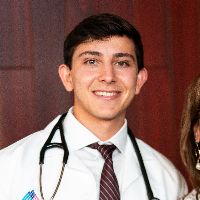
Gray Ricca, MS
Medical Student (Class of 2028)
About Gray
Gray grew up in Montgomery, NJ and attended Villanova University studying Neuroscience in undergrad and getting a master’s degree in Chemistry. He was a member and captain of the varsity soccer team in college, he is the youngest of two oldest sisters, and he is actively working on his vinyl collection. He has greatly enjoyed his exposure to orthopedics through research with the joints group and with trauma and sports medicine attendings, aiming to explore factors in and around the operating room that may improve patient care.
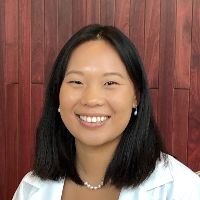
Jennifer Yu, BS
Medical Student (Class of 2027)
About Jen
Jen grew up in NYC and attended Caltech for her undergraduate studies in Computer Science with a specialty in Machine Learning and Artificial Intelligence. She was a member and captain of the varsity women’s tennis team and developed an interest in orthopedics during medical school. In her free time, she enjoys playing tennis, exploring New York City’s food scene, and staying active outdoors.
Research
Our research has spanned a wide range of joint replacement research topics, including infection, pain management, preoperative patient education, patient-reported outcomes, health disparities, and impacts of health policy. Our work is regularly presented at national and international meetings, such as the American Academy of Orthopaedic Surgeons Annual Meeting and American Association of Hip and Knee Surgeons Annual Meeting.
Examples of Ongoing Projects:
• Examining joint replacement outcomes for patients on specific medications, such as hormone replacement therapy or antidepressants
• Gaining a deeper understanding of opportunities to improve joint replacement care through longitudinal interviews with patients
• Using Apple Health step count data to understand physical activity patterns after joint replacement
Examples of Projects in Development:
Infection is a rare but serious complication after joint replacement. A series of projects is planned to compare different approaches to further decrease infection risk. For example, we plan to compare different methods of screening for infection risk factors before surgery, cleaning the skin during surgery, and washing out the joint during surgery.
Funded Project Spotlight (2025-2026)
Enhancing HOOS JR and KOOS JR Score Interpretation for Point of Care Use (Leads: Dr. Stern and Dr. Hayden)
Funding: Aided by a grant from the Orthopaedic Research & Education Foundation, with funding provided by the Dr. Victor & Mrs. Harris Goldberg Endowment Fund
Challenges exist with interpreting scores on patient questionnaires of pain and function. “Plain language descriptions” of scores (i.e., narrative summaries of what a numeric score reflects) may help patients make meaning of these numbers. We aim to:
• Develop plain language descriptions of hip and knee replacement questionnaire scores of pain and function
• Examine relationships between subjective numeracy (i.e., how people like to use numbers) and score interpretation, feedback, and use in adults with hip and knee arthritis
Findings can improve how information from questionnaires about pain and function is shared with patients and surgeons to guide shared decision-making, expectation setting, and communication for patients seeking care for arthritis.
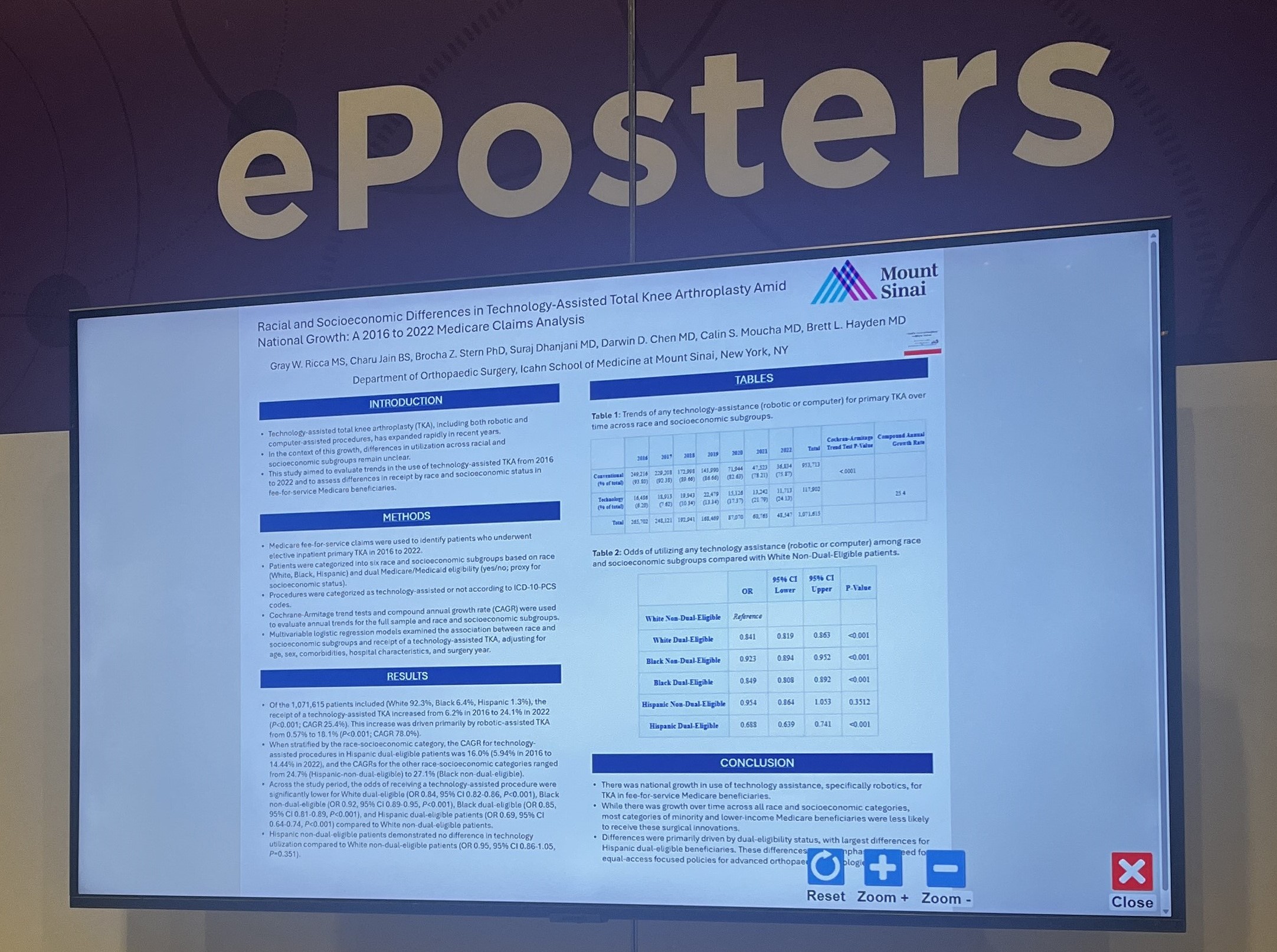
ePoster on disparities in robotic total knee arthroplasty at the 2026 American Academy of Orthopaedic Surgeons Annual Meeting led by Gray Ricca (Class of 2028)
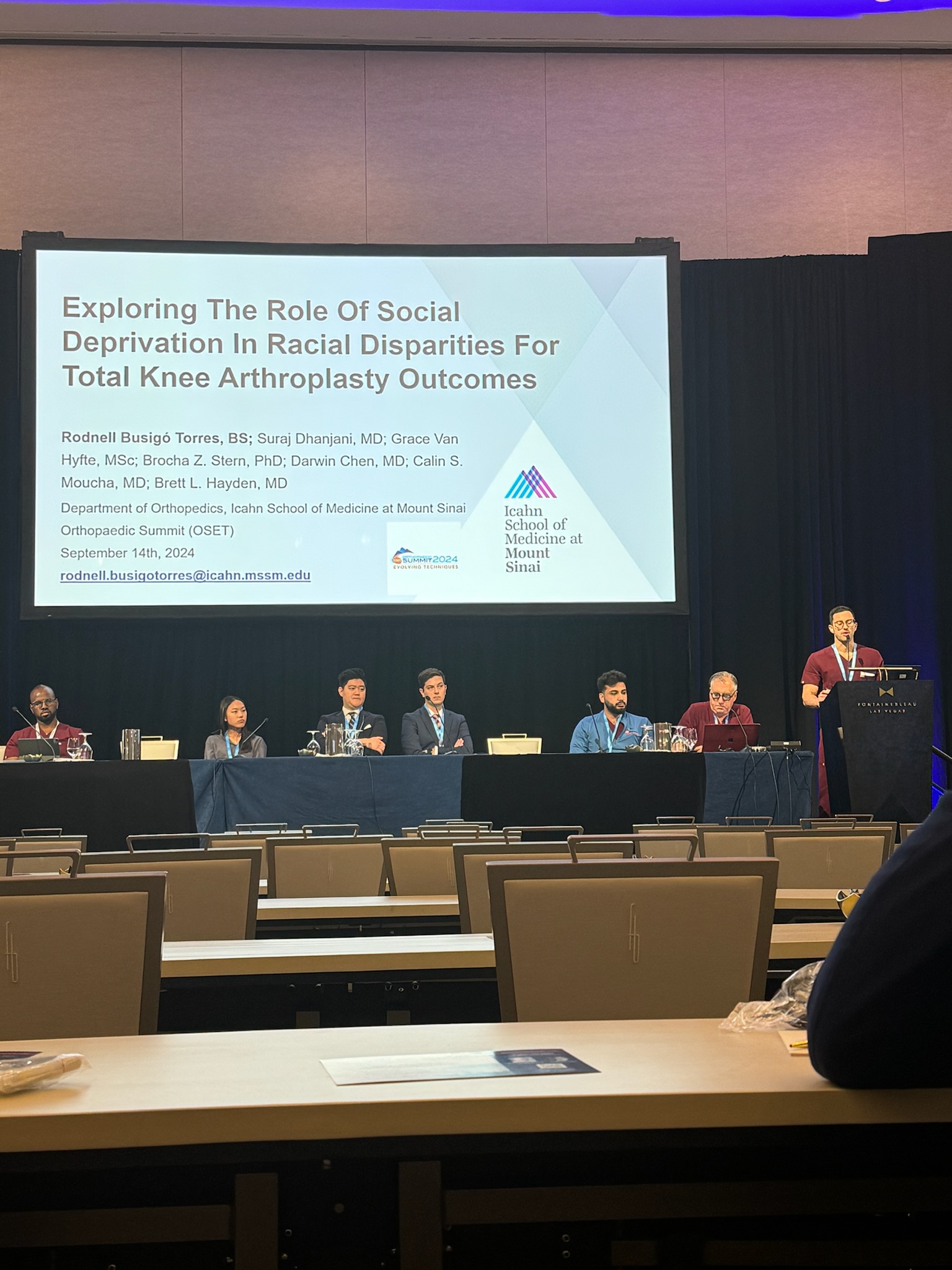
Rodnell Busigó Torres (Class of 2026) giving a podium presentation on the role of social deprivation and joint replacement outcomes at the Orthopaedic Summit.
Selected Publications
Balachandran U, Sabo G, Kodali H, Raymond HE, Karo K, Stern BZ, Moucha CS, Poeran J, Hayden BL – J Am Acad Orthop Surg (2025)
Learn More
Background: Most patients who undergo total hip replacement do so for “elective” reasons, meaning that these are scheduled procedures where there is time to prepare the patient medically to improve results. However, some patients undergo this surgery for urgent or emergency reasons where there is little to no time to prepare. It is possible that patients who undergo nonelective surgery may be more likely to develop an infection.
What We Did: We used national Medicare claims to examine the association between nonelective versus elective surgery status and infection in adults aged 65 years of age and older.
What We Found: Compared to those who had an elective surgery, patients who had a nonelective surgery were more likely to develop 30-day, 90-day, and 1-year surgical site infection. They were also more likely to need a second surgery within the first year after surgery because of periprosthetic joint infection.
Why It Matters: Findings highlight the need for innovative approaches to reduce infection risk in those undergoing total hip replacement in urgent or emergency situations.
Yendluri A, Park J, Singh P, Rako K, Stern BZ, Poeran J, Chen DD, Moucha CS, Hayden BL – J Arthroplasty (2024)
Learn More
Background: Total hip and knee replacement are increasingly performed in the outpatient setting. There is limited information about antibiotic prescribing for infection prevention in this setting.
What We Did: This database study used national claims in adults aged 18 to 64 years who underwent total hip or knee replacement in an outpatient hospital or an ambulatory surgery center. We looked at how many patients received oral antibiotics for prevention and the characteristics of those antibiotics.
What We Found: About 16% of patients received an oral antibiotic for prevention. The most common medication was cephalosporin. Those who had a hip replacement, had surgery in an ambulatory surgery center, had surgery in a more recent year, or had specific conditions like obesity or diabetes were more likely to receive an antibiotic.
Why It Matters: These findings highlight variability in prescribing. More research is needed to evaluate the appropriateness and effectiveness of these medication for infection prevention.
Stern BZ, Banashefski B, Rozanski G, Hayden BL, Chen DD, Poeran J, Moucha CS – Arch Phys Med Rehabil (2024)
Learn More
Background: Medicare instituted a bundled payment model for joint replacement, which provided a set amount of money for the hospitalization as well as services in the following 90 days. While this model resulted in practice changes, its effects on physical therapy (PT) services in the community were not clear.
What We Did: This database study used national Medicare claims. We used a statistical approach that allowed us to compare PT services between hospitals that did and did not participate in the model, both before and after the model started.
What We Found: For total hip replacement, participation in the model was associated with a larger proportion of patients receiving PT services in the home, but patients received overall few PT visits in the community. For total knee replacement, participation in the model was associated with fewer PT visits in the home but more PT visits in the outpatient setting.
Why This Matters: The findings highlight that the model did have some impact on PT in the community, which can guide the development and refinement of other models to improve the quality and efficiency of care.
Sabo GC, Stern BZ, Balachandran U, Agranoff R, Hayden BL, Poeran J, Moucha CS – J Arthroplasty (2025)
Learn More
Background: Prehabilitation aims to prepare a patient for surgery and can include supervised physical therapy (PT) services. However, the impact of prehabilitation on postoperative healthcare services is not well understood.
What We Did: Using national Medicare claims, we examined the association between receiving PT services within 30 days before surgery and healthcare services after total hip or knee replacement.
What We Found: For total hip replacement, receiving prehabilitation was associated with a decreased likelihood of using home health services but an increased likelihood of using outpatient PT in the 90 days after surgery. For total knee replacement, receiving prehabilitation was associated with a decreased likelihood of staying in the hospital for more than 3 days, a decreased likelihood of using home health services in the 90 days after surgery, and an increased likelihood of using outpatient PT in the 90 days after surgery. Additionally, some associations between prehabilitation and health care utilization after surgery differed by patient factors such as frailty.
Why It Matters: The findings suggest that prehabilitation has varied effects on healthcare use after surgery and may be most beneficial for some subgroups of patients.
Busigó Torres R, Restrepo Mejia M, Stern BZ, Moucha CS, Poeran J, Hayden BL – J Am Acad Orthop Surg (2024)
Learn More
Background: Patients who primarily speak a language other than English may face barriers to care, including worse outcomes.
What We Did: Using data from our institution, we looked at the association between a patient’s primary language and their joint replacement outcomes. We also looked at the association between their language and how they engaged with care.
What We Found: We found no associations between language and outcomes such as readmissions or complications. However, speaking a language other than English or Spanish was associated with decreased likelihood of attending an education class before surgery. Additionally, those who spoke a language other than English were less likely to complete questionnaires about their pain and function.
Why This Matters: These findings suggest that institutions can achieve comparable outcomes between patients who and do not speak English. However, barriers still exist in how patients who speak a language other than English can fully engage in their care.
Pitaro NL, Herrera MM, Alasadi H, Shah KC, Kiani SN, Stern BZ, Zubizarreta N, Chen DD, Hayden BL, Poeran J, Moucha CS. Sleep – J Am Acad Orthop Surg (2023)
Learn More
Background: Total joint replacement may improve sleep, but patients may also experience sleep disturbance after surgery. Better characterization of sleep after surgery could guide care.
What We Did: We asked patients to complete a sleep disturbance questionnaire before surgery and at 2 weeks, 6 weeks, and 3 months after surgery. We described patterns of sleep across time.
What We Found: Patterns of sleep after surgery varied based on whether patients had sleep problems before the surgery. Those who had sleep problems before surgery were more likely to experience improvement after surgery. Those who had normal sleep before surgery were more likely to experience a temporary worsening of sleep. Hip replacement patients were more likely than knee replacement patients to experience substantial improvement in sleep after surgery.
Why It Matters: Findings can help surgeons to counsel patients on typical sleep patterns after surgery.
Read more of Dr. Moucha’s publications. | Read more of Dr. Hayden’s publications. | Read more of Dr. Stern’s publications. | Read more of Dr. Chen’s publications.
Get Involved


Join the C.O.R.E. Community Advisory Board
Do you have an orthopedic condition, such as arthritis? Have you undergone an orthopedic surgery, such as a joint replacement? Have you helped support a loved one as they recovered from an orthopedic injury or surgery?
Help shape our research priorities by joining our Community Advisory Board. This group provides insights on the lived experiences of orthopedic care, including joint replacement.
Meetings will be held via Zoom. Telephone options to participate are available. Compensation is provided.
Please contact Dr. Stern (brocha.stern@mountsinai.org) for additional information.
Join the Research Group
Our research group is always interested in engaging with motivated and thoughtful Mount Sinai medical students and orthopaedic surgery residents. We hold monthly research meetings, which are open to members of the Mount Sinai orthopaedic surgery community with shared interests. Please reach out to Dr. Stern to be added to the calendar invitations. Most involvement in research activities is unpaid, but there are opportunities to publish and present.
At times, we also accept volunteers, who may be medical students or undergraduate students at other universities. Availability of these opportunities varies depending on active projects. Interested individuals should contact one of the research group faculty members to discuss potential opportunities. Please provide a CV/resume and a brief paragraph describing a) your interest in the research group, b) any research experience you have, and c) the desired level of involvement (e.g., a summer intensive, ongoing involvement across an academic year).
**Please note that we are not accepting any additional volunteers for Summer 2026**
Support Our Work
Donations of all sizes are valued.
To ensure your gift gets to the right place, please request that your donation is allocated to the Dr. Calin Moucha Joint Replacement Research Fund.
Examples of ways that your gift may support joint replacement research:
• Pay for analyst time to extract and process data from medical records
• Pay for clinical trials staff to coordinate procedures and collect research data
• Compensate participants for contributing their valuable time to research
• Provide stipends to support dedicated research time for medical students and accelerate their careers
• Support an early-career investigator to generate preliminary data to secure federal funding
Contact Us
General questions about the Joint Replacement Outcomes Research Group at the Mount Sinai Health System can be directed to Dr. Stern (brocha.stern@mountsinai.org).
Mailing Address:
Brocha Stern
Icahn School of Medicine at Mount Sinai
1 Gustave L. Levy Pl, Box 1077, New York, NY 10029
Visit Us:
The research group faculty have offices at 5 E 98th St, 7th Floor (Drs. Moucha, Hayden, Chen) and 1425 Madison Ave, 2nd Floor (Dr. Stern).