Advancing Women’s Health by Centering Female Sexual Pleasure as Biomedical Science
We develop the scientific foundations required to measure, protect, and restore female sexual pleasure, with a focus on bulboclitoral neurovascular biology, menopause-associated tissue remodeling, and radiation-related injury. By treating sexual function as a biological outcome rather than an afterthought, our work addresses a long-standing gap in women’s health research and cancer survivorship care.
What has Been Missing From Women’s Health Research
For decades, women’s sexual health has been under-researched, with female sexual pleasure rarely treated as a measurable biological outcome. Key genitopelvic organs, including the bulboclitoris, have been excluded from anatomical atlases, imaging protocols, and treatment planning frameworks. Menopause has often been treated as a confounder rather than a core biological transition shaping tissue vulnerability. These omissions have led to preventable injury and incomplete care.
Our research contributes to the next era of women’s health by addressing these gaps with biological precision, rigorous measurement, and clinically actionable frameworks.
We investigate how cancer therapies and endocrine transitions remodel female genital neurovascular tissue, leading to predictable and preventable losses in sexual function.
Our Key Research Areas
1. Bulboclitoris and Female Erectile Tissue Biology
2. Menopause-Associated Neurovascular Remodeling
3. Radiation Injury and Oncosexual Survivorship
Support Bulboclitoris &
Oncosexual Health Research
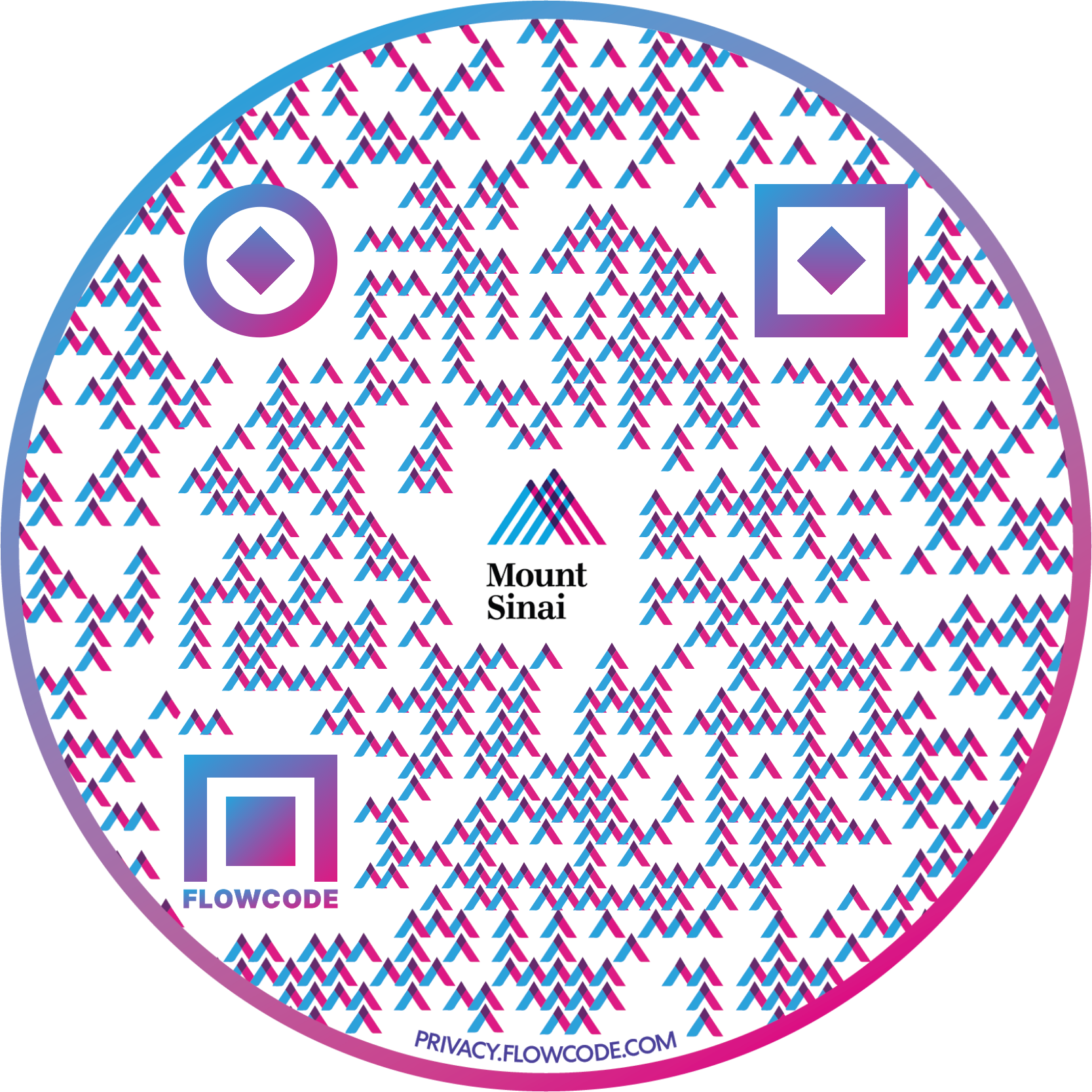

Deborah C Marshall, MD
she/her/hers
Principal Investigator
Assistant Professor
Radiation Oncology
Division Chief, Women’s Health
Population Health Science and Policy
Blavatnik Family Women’s Health Research Institute
Icahn School of Medicine at Mount Sinai
Our current research to develop novel approaches to improve sexual outcomes for female and sexual/gender minority cancer patients:
Vaginal hydrogels to prevent scarring
Non-opioid mucosal analgesics
Multi-scale informatics
Standardization of anatomic contours
Female and LGBTQ+ oncosexual health and menopause care
Advanced pelvic imaging
Erectile-tissue sparing radiotherapy techniques
Physiologic measurement of sexual function
Publications
Female erectile tissues and sexual dysfunction after pelvic radiotherapy: A scoping review
March 2022 in the journal CA: A Cancer Journal for Clinicians
Marshall DC, Tarras ES, Ali A, Bloom J, Torres MA, Kahn JM. Female erectile tissues and sexual dysfunction after pelvic radiotherapy: A scoping review. CA Cancer J Clin. 2022 Mar 17. doi: 10.3322/caac.21726. Epub ahead of print. PMID: 35298025.
A first radiotherapy application of functional bulboclitoris anatomy, a novel female sexual organ-at-risk, and organ-sparing feasibility study
August 2021 in the journal British Journal of Radiology
Marshall DC, Ghiassi-Nejad Z, Powers A, Reidenberg JS, Argiriadi P, Ru M, et al. A first radiotherapy application of functional bulboclitoris anatomy, a novel female sexual organ-at-risk, and organ-sparing feasibility study. Br J Radiol 2021; 94: 20201139.
Team

Deborah Marshall, MD MAS
PI
Lauren Carney, PhD
Assistant Scientist

Julia Brody-Barre
Clinical Research Coordinator

Shaniel Bowen
Post Doctoral Fellow

Daniel Dickstein, MD
Resident Researcher
Margo Downes
Medical Student Researcher

Lucy Greenwald
Medical Student Researcher

Nicole Munoz
Researcher Trainee

Andre Williams, MS
Anatomist

Trisha Majumdar
Researcher Trainee

Jared Sealy
Programmer/Analyst – Web Systems

Melissa Castillo
Medical Student Researcher

Siya Gupta
Researcher Trainee
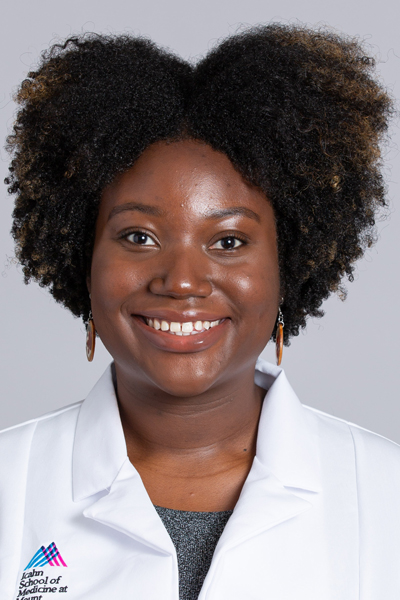
Amarachi Okorom
Medical Student Researcher

Kevin Huy Tran
Researcher Trainee
Current Funding


We are also grateful for the support of our past funders



Join our team!
We are always seeking exceptional humans (students, trainees, fellows, scientists) to join our team.
Email the PI to get in touch.
Deborah C Marshall, MD
Lab:
Icahn School of Medicine at Mount Sinai
Icahn Building, L2-70G
Clinic:
New York Proton Center
225 E 126th Street
New York, NY 10035
Phone: 212-241-7500